


Boeing Says China Agrees to 200 Jet Order, up to 750
 By Teresa De Alba | Jr Journalist & Industry Analyst -
Tue, 05/19/2026 - 09:52
China has agreed to purchase 200 aircraft from Boeing, with the potential to expand the order to as many as 750 planes, US President Donald Trump said, marking what could become the company’s first major Chinese deal in nearly a decade. The agreement, which would include engines supplied by GE Aerospace, signals renewed commercial engagement between the two countries after years of trade restrictions. Boeing CEO Kelly Ortberg confirmed the commitment previously disclosed by Trump, according to reporting by DW News on May 16, 2026.
“The deal includes approximately 200 planes and a promise of up to 750 if they do a good job,” Trump said. Details regarding aircraft types and delivery schedules were not disclosed, and it remains unclear how many of the 200 units represent new orders versus aircraft already included in Boeing’s backlog.
If completed, the transaction would mark a shift in China’s aircraft procurement pattern. Between 2005 and 2017, Chinese airlines placed an average of 127 aircraft orders per year, according to Reuters. Since then, annual orders have dropped to an average of six aircraft, reflecting the impact of trade tensions between Beijing and Washington on Boeing’s access to the market.
Industry sources indicated that China has historically bundled aircraft orders with diplomatic visits, combining new purchases with previously announced commitments. This practice may apply to the current agreement, which has not yet been formally confirmed by Boeing.
The potential order is estimated at between US$17 billion and US$19 billion, assuming that about 80% of the aircraft are narrow-body models such as the 737 MAX, according to aviation consultancy IBA. The value could increase to as much as US$25 billion if wide-body aircraft represent a larger share of the mix. “This number could increase to US$25 billion if a larger proportion, around 40%, is announced for wide-body aircraft,” said Samuel Kenekueyero of IBA.
For China, the deal would support capacity expansion in its aviation sector, where domestic production remains constrained. The COMAC C919 program has not yet reached targeted output levels, limiting the availability of locally produced narrow-body aircraft. A Boeing order would supplement supply as passenger demand continues to grow.
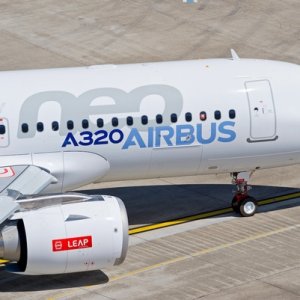
The agreement could also affect competition between Boeing and Airbus, which has expanded its presence in China in recent years. Boeing has faced limited access to the market during the period of reduced orders, widening the gap with its European competitor.
Despite the potential scale of the deal, investor reaction was negative. Boeing shares declined about 2.6% in morning trading following the announcement, while GE Aerospace shares fell about 2%. Analysts noted that the initial figure of 200 aircraft fell below earlier expectations of at least 500 narrow-body jets under negotiation.
Industry participants said negotiations had previously included a larger volume of aircraft, with additional wide-body orders expected to follow. Trump indicated that Chinese President Xi Jinping could visit Washington in September, suggesting that further agreements may be discussed during that visit.
Concerns over after-sales support remain a factor in China’s purchasing decisions. Li Hanming, an independent aviation analyst, told Reuters that uncertainty around parts supply has influenced airline behavior. “The reason China is not buying is very simple: no one wants to buy something without guaranteed after-sales maintenance and support,” he said. He added that past threats of export restrictions on aircraft components created hesitation among buyers: “If they impose parts embargoes like that, who would still dare to buy Boeing?”

Most popular



