

Augmented SOC: Cyber-Antifragility and SOAR for Digital Risk



STORY INLINE POST




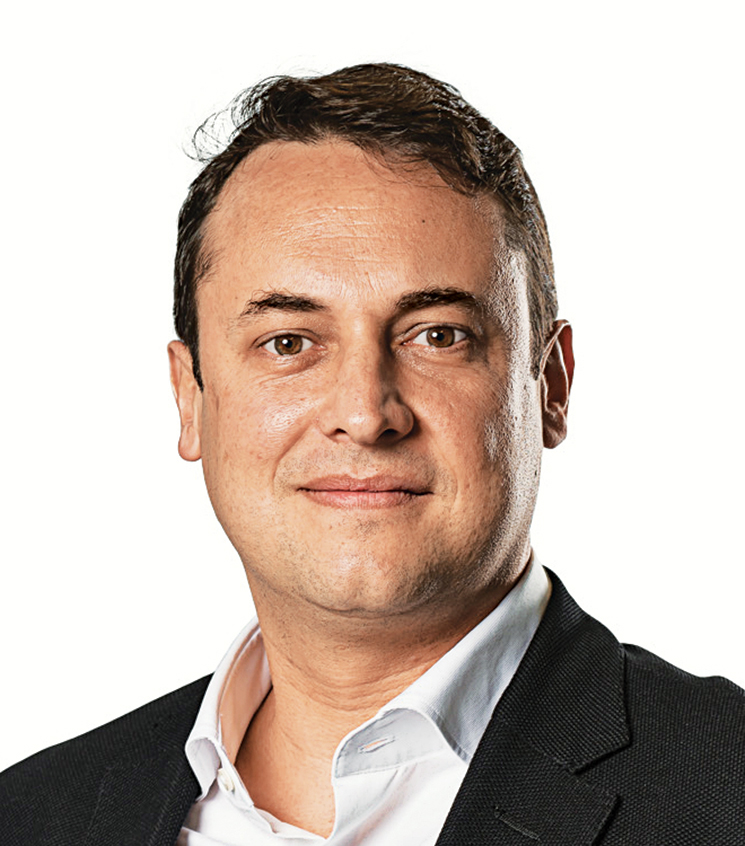
 By Javier Diaz Evans | Director General -
Wed, 11/05/2025 - 06:30
Recent crises triggered by cyberattacks have exposed not only the vulnerability of many modern activities, from digital payments to disruptions in supply chains, but also the limitations of cybersecurity operating models run through traditional Security Operations Centers (SOCs).
The SOC is the entity responsible for executing operational cybersecurity processes whose purpose is to monitor, detect, and respond to cyber threats in real time. Traditionally, the SOC was conceived as a technical area, usually isolated, focused on reactive incident management and composed primarily of IT personnel equipped with monitoring and event management tools (SIEM, EDR, IDS, among others).
However, the increase of advanced threats and the evolution of threat actors’ techniques and tactics have made clear that this model is no longer sufficient. An augmented SOC is a cognitive, automated, distributed platform aligned with business objectives in which human intelligence and artificial intelligence work in synergy. This new model implies:
- A data‑centric architecture and advanced intelligence (human plus artificial) capable of collecting, analyzing, and correlating information from cloud, IT and OT (operational technology) systems and building knowledge that supports better decision-making.
- Intelligent integration of cybersecurity architecture components to increase context, intelligence, and responsiveness.
- Predictive and adaptive capabilities that range from monitoring to proactive anticipation of threats.
- A highly collaborative and cross‑functional operation that goes beyond the IT silo, with executive instances, communications and operations participating in response and crisis management.
This shift moves the emphasis away from merely monitoring alerts toward augmented and strategic risk interpretation, where each incident is analyzed not only for its operational impact but also for its potential to generate learning and competitive transformation.
The augmented SOC is sustained by the union of technology, processes, and talent, articulating the following main components:
Comprehensive monitoring and detection. 24/7 coverage, integration of cloud, IT, and OT data sources, analysis of logs, network traffic, endpoints, and industrial devices.
Automation and orchestration of responses (SOAR). Incident management with scalable playbooks, automated responses to known events, and standardized workflows for containment and remediation.
Cross‑domain correlation and advanced analysis. Capacity to handle events and incidents originating from multiple technological and organizational domains, including integration with SIEM, threat intelligence, and machine learning for early detection of anomalies and advanced persistent threats.
Governance and reporting. Active participation of senior management and other non‑technical areas in crisis protocols and decision-making. Inclusion of business‑relevant metrics (MTTD, MTTR, impact on the value chain, cost of downtime, among others).
Culture of continuous improvement and organizational learning. Post‑mortem analyses and lessons learned integrated into the operations and risk management cycle, reinforcing collective antifragility against new threats and accelerating process maturity.
The conjunction of these elements turns the augmented SOC into a strategic axis of enterprise resilience and digital transformation, radically shifting the paradigm from “reactive defense” to an antifragile model that generates advantages even in extreme situations.
From Resilience to Cyber‑Antifragility
If resilience is an organization’s ability to withstand and recover its operations after an incident, cyber‑antifragility is the property of becoming stronger and more competitive through stress, attack, and crisis. Inspired by Nassim Taleb’s postulates, this philosophy transfers to the corporate domain the idea that cyber‑antifragile systems not only resist turbulence but learn from every disruption opportunity. At A3Sec, we develop our cybersecurity strategies according to this principle.
In cybersecurity, this implies:
- Not seeking absolute immunity, but the ability to absorb digital shocks, learn in an organized and rapid manner, adjust protocols, and redesign more robust processes.
- Turning critical incidents into engines of internal innovation by reviewing architecture, governance, and practices to extract adaptive advantages over competitors, especially when those competitors are anchored in defensive paradigms and management silos.
- Strategically communicating crisis management and improvements as a reputational asset, a source of trust, and a differentiator for clients and markets.
Data and Analytics as a Strategic Engine
Cyber‑antifragility arises from a closed‑loop data model: every event, incident, threat, or implemented improvement is documented, fed back into the protection ecosystem, and governs future decisions, from investment prioritization to the definition of playbooks and regulatory updates.
As data volumes grow exponentially, AI and machine learning enable not only filtering false positives but extracting patterns and anticipating threats, adjusting controls and priorities as the environment evolves. The success of IT/OT integration lies in its dynamic, adaptive approach, which is deeply situated in each organization’s physical‑operational reality.
What is SOAR and Why Is It Key in Augmented SOC?
SOAR (Security Orchestration, Automation and Response) platforms integrate, automate, and optimize cybersecurity operations, enabling incident responses to be executed in minutes with minimal manual intervention and full traceability.
This automates repetitive and administrative tasks, such as log collection, validation of indicators of compromise, enrichment of alerts with threat intelligence, and notification to responsible parties.
It also centralizes case management, documentation, and auditability, complying with sector regulations and producing executive reports for senior management and the crisis committee.
The benefits achieved with this automation are a drastic reduction in mean time to detect (MTTD) and mean time to respond (MTTR). The transition from hours to minutes or seconds makes the difference between containing an isolated incident and a systemic crisis. There is improved regulatory compliance, reportability, and evidencing. The entire life cycle of an alert is documented, audited, and reported in accordance with international standards (ISO 27001, NIST, PCI, among others). SOAR learns from each incident and adjusts automated processes to anticipate, block, or mitigate new threats.
The augmented SOC and cyber‑antifragility represent a technical improvement as well as a strategic leap that allows companies to turn every critical incident into an inflection point and competitive advantage.
Senior management occupying its place as strategic leader, cross‑functional governance, automation, full IT/OT integration, and communicational transparency are the pillars of this new era. Turning vulnerability into a driver of learning and improvement is today the key to surviving and standing out in the uncertain global digital landscape.
You May Like


Most popular



