

New Generations Need New Solutions; Let’s Create Them


STORY INLINE POST





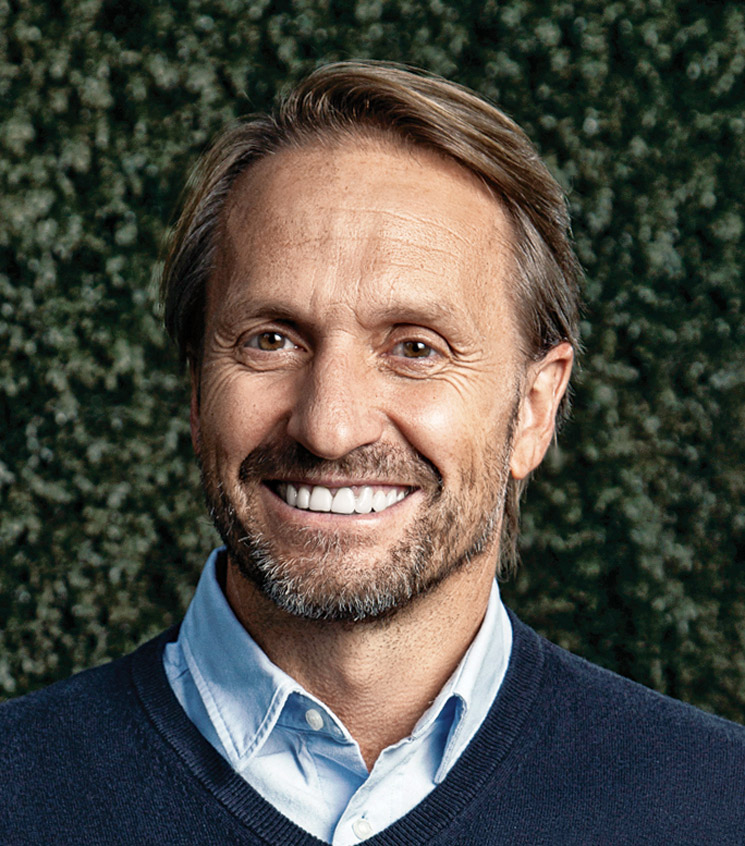 By Fernando Lledó | CEO -
Fri, 09/29/2023 - 11:00
America – and by that, I mean the whole continent – is considered a young, promising land. At least traditionally, it has been, whether in movies, literature, or in a sort of imaginative fictional way. In contrast to other regions, the general perception is that a good part of the population is still in their youth. That is somewhat true, for now: Latin America is growing old, and the UN expects that by 2050, 16.5% of the world’s population will be 65 or older. But they will not be boomers.
Let me explain.
We have recently read a lot about generations: Boomers think "A," Gen X choose "N," and millennials are starting to feel nostalgic. While it might seem like too broad of a brush to paint our reality – and it is – the fact is that there are fundamental differences between generations. We have lived through diverse contexts, challenges and with other goals in mind. If our parents feared the Cold War, now young people are witnessing new urgent matters, such as the COVID-19 pandemic or climate change. But, of course, not all experiences are negative. We grew up without tablets, mobile phones and the hyper-connectivity we see today. It was not better or worse, just different. But as time goes by and new discoveries and inventions come to light, the routine and dynamics of societies also change.
Not everyone adapts the same way to the ongoing shifts of the world. Kids today are much better at using new technology than their grandparents. Teachers and other professionals need to adjust and keep track of what the new day brings. It is natural, and it has always been that way. Just not as fast.
What I mean is that indeed, generations are coexisting: fashion, clothing, technology, goods, and products are being consumed in quite different ways. If that is so, then why are we still selling – advertising and offers – as if everyone is exactly the same? Some industries have learned that audiences can and should be segmented – think about movies, music, and other types of entertainment. But financial, insurance products, and professional services are apparently aimed only at very mature adults – the boomers I just wrote about. Focusing on them is not bad in itself, but there are broader segments.
We, who work in the insurance sector, among others, should stop being proud of creating way too complicated products for the public. In fact, it is one of the main weaknesses I have found while analyzing our markets. Why do we offer insurance policies that are hard to understand and use? It is not the responsibility of our clients but ours to find ways to improve convenience and accessibility. This is especially important for our young population.
If we don't have affordable – though not cheap –and good, quality products aimed at each specific segment, we will not be achieving the desired results. Why? Because we want a healthier population that ages with fewer ailments and a better quality of life. Let's not forget that millennials (born between 1981 and 1996) and Gen Z (1997-2012) will be much older by 2050, but they should start taking care of their health now.
Some years ago, Bupa started a significant change from within. We acquired the Vitamédica network and, later, a top-of-the-line hospital in Santa Fe, Mexico City: Bité Médica. It is part of a broader plan. We have launched new products, such as Bupa Nacional Vital and Esencial Libre Elección, that are affordable, accessible, and convenient. And we have created digital solutions that we now call Blua, like our avant-garde app
We will not forget about our traditional long-term customers, but we want to expand to new horizons with data and reality in mind. If Latin America, specifically Mexico, is indeed young, we must listen to them and offer real solutions for their health.
I understand that Bupa, like other insurance, financial, and health companies, must be sustainable, both in environmental and business terms. But it is possible to be a running, growing business while at the same time adapting to different times and generations. I know that because we are implementing it.
I have confidence in our team and other groups of professionals because I have seen the enormous talent there is in the country. Unsurprisingly, many of those innovative ideas come from young people. Let’s allow them to visualize and plan solutions for their own generations.
More than 37 million people in Mexico are between 12 and 20 years old, or 30% of the country's population. Why don’t we listen to what they, their siblings, and their families have to say?
You May Like


Most popular



