


PAHO Urges Faster Action on Cervical Cancer Goals
 By Sofía Garduño | Journalist & Industry Analyst -
Fri, 02/06/2026 - 09:23
On World Cancer Day, the Pan American Health Organization (PAHO) called on countries in the Americas to accelerate efforts to meet cervical cancer elimination targets set for 2030, warning that the current pace of implementation risks falling short despite advances in vaccination.
Each year, over 78,000 women in the Americas are diagnosed with cervical cancer and over 40,000 die from the disease. PAHO reports that 83% of those deaths occur in Latin America and the Caribbean, where mortality rates are three times higher than in North America, highlighting gaps in access to prevention, early detection, and treatment services.
Cervical cancer is included among more than 30 conditions targeted under PAHO’s Disease Elimination Initiative. The regional strategy aligns with global goals that call for countries to reach three benchmarks by 2030: 90% coverage of human papillomavirus (HPV) vaccination among girls before age 15, screening of 70% of women with high-performance tests at ages 35 and 45, and treatment for 90% of women identified with precancerous lesions or invasive cancer.
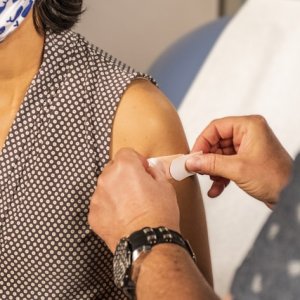
The HPV vaccine is now available in 49 of 51 countries and territories in the Americas, with regional programmatic coverage for the first dose reaching 70% among women, says Jarbas Barbosa, Director, PAHO. In addition, 24 countries and territories have adopted a single-dose schedule, a shift that PAHO says can help expand coverage and simplify delivery.
However, PAHO cautions that advances in vaccination have not been matched by gains in screening and treatment. Fourteen countries have incorporated HPV testing into screening programs, but overall coverage remains limited and data availability is uneven. Treatment capacity also presents constraints, with only 18 countries reporting the availability of radiotherapy services, a key component of cancer care.
If current trends persist, deaths from cervical cancer in the Americas could exceed 46,200 annually by 2030, according to PAHO projections. The agency says this outlook underscores the need to scale up interventions that are already available and considered cost-effective, including vaccination, HPV-based screening, and timely treatment.
To support countries, PAHO provides technical cooperation in the development of national plans for comprehensive cervical cancer care. Through its Regional Revolving Funds, Member States can procure HPV vaccines, screening tests, colposcopes, thermal ablation devices, and electrosurgical equipment at negotiated prices. PAHO promotes the integration of these tools into primary health care systems to expand access and reduce disparities between and within countries.
The organization is also working with partners to strengthen regional capacity. Collaboration with Unitaid and the Spanish Agency for International Development Cooperation seeks to reinforce prevention, detection, and treatment services related to cervical cancer.
As part of World Cancer Day activities, PAHO will hold a virtual seminar on Feb. 4 at 10 a.m. Washington time. The session will focus on country experiences, joint actions to advance elimination targets and the presentation of a planning tool designed to support HPV screening and treatment strategies.
PAHO’s message places cervical cancer within a broader discussion about health system performance in the region. While vaccination coverage indicates progress, disparities in diagnostic services, treatment infrastructure, and data systems continue to shape outcomes. The agency’s call for accelerated action reflects the narrowing timeline to 2030 and the need to align policy, financing, and service delivery to meet elimination benchmarks.
You May Like




Most popular



