

Green Horizon: Key Sustainability Trends for Mexican Businesses



STORY INLINE POST


 By Andres Friedman | Co-Founder & CEO -
Wed, 06/25/2025 - 08:30
As we celebrated World Environment Day in June, the global march toward net zero by 2050 is accelerating, driven by critical sustainability trends that are reshaping global business. This ambitious target, aiming to limit global warming to 1.5°C, demands a 45% reduction in emissions by 2030 and comprehensive decarbonization across all value chains. For Mexico, this isn't just an environmental challenge, it's a profound strategic opportunity for businesses to enhance competitiveness, attract investment, and future-proof operations by actively embracing these transformative trends.
Strategic Decarbonization, Diversified Renewables
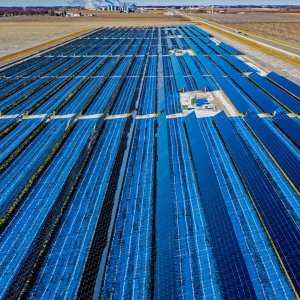
The immense contribution of energy consumption to global emissions (73.2%, with over 80%, on average, coming from fossil fuels) highlights the urgent need for a shift. The rapid growth of renewable energy, exemplified by the thousand-fold increase in global solar installations over two decades (Bloomberg NEF), isn't just a green initiative, it's a strategic imperative for energy independence, cost stability, and operational resilience. For Mexican businesses, the trend is about moving beyond simply adopting solar to strategically diversifying renewable energy sources, optimizing energy efficiency across all operations, and integrating these solutions to reduce operational costs and enhance competitiveness in the face of volatile fossil fuel markets. This also includes exploring innovative energy storage solutions and smart grid technologies to ensure reliable, clean power.
Navigating the Evolving Regulatory Landscape
International regulatory frameworks are no longer just external pressures, they are becoming fundamental aspects of global trade and supply chain integration. The trend here is a shift from reactive compliance to proactive strategic adaptation. Europe's stringent reporting requirements for Scope 1, 2, and 3 emissions, alongside the Carbon Border Adjustment Mechanism (CBAM), redefine market access. For Mexican exporters, understanding and meeting these requirements isn't just about avoiding sanctions, it's about maintaining and expanding market share in key global markets. The trend of governments mandating green infrastructure (for example, EU building energy targets, solar requirements in France and Berlin, UK home solar mandates) underscores a global commitment that Mexican businesses must mirror. Even with some recent regulatory shifts in the United States regarding climate reporting, the overwhelming financial trend of insurers setting climate transition goals signals that green investments and sustainable operations are increasingly favored by capital markets.
The ‘Greenshoring’ Phenomenon
Mexico's vibrant economic trajectory, marked by significant job creation (2.2 million new jobs between 2021-2023, as reported) and a strong potential for continued economic growth (estimated at 3.7% annually), is increasingly defined by the powerful and evolving trend of "greenshoring." This goes far beyond mere geographic proximity, it's about strategically positioning Mexico as an undeniable magnet for businesses seeking to cultivate resilient, environmentally responsible, and highly sustainable supply chains in a rapidly changing global landscape. The impending 2026 requirement for publicly traded Mexican companies to report their clean energy consumption, a pivotal move driven by SEMARNAT and CNBV, firmly solidifies the nation's commitment to enhanced transparency and alignment with international sustainability benchmarks. This accelerating trend toward robust corporate environmental disclosure is profoundly influencing foreign direct investment flows and shaping new partnership opportunities. Consequently, businesses in Mexico that proactively embed comprehensive sustainability practices into their operations, going beyond minimum reporting, are securing a distinct advantage, becoming highly attractive to international partners keenly focused on de-risking and greening their global value chains. Furthermore, the continued implementation and consideration of subnational carbon taxes across various Mexican states underscore the persistent push for localized decarbonization strategies, reinforcing the urgency and strategic value of sustainable business models.
A Collaborative Imperative
A significant trend in corporate social responsibility is the proactive setting of ambitious net-zero targets by global giants like Siemens Energy, Shell, Volkswagen, Femsa, Coca-Cola, Amazon, IKEA, PepsiCo, and Microsoft. What's crucial for Mexican businesses is that these commitments often extend to their entire value chains. Companies like Amazon, IKEA, and Microsoft are actively requiring their suppliers to report emissions, adopt renewable energy, and set climate targets. This creates a powerful cascading effect, making supply chain decarbonization a non-negotiable trend for any Mexican company aiming to be a part of major global value chains. Collaboration, innovation in sustainable materials, and shared reporting platforms will become vital for compliance and competitive participation.
Sustainable Mobility: Optimizing Logistics
Transportation's substantial contribution to global emissions (21% globally, 32% in Mexico) makes sustainable mobility a critical operational and logistical trend. The shift toward electric fleets (for example, Grupo Modelo aiming for 40% CO2 reduction), the adoption of sustainable aviation fuels (SAF) with 75% less emissions, and the use of renewable fuels for maritime transport (Volvo achieving 84% CO2 reduction) are not just environmental victories, they are strategic moves to optimize logistics, reduce fuel costs, and future-proof delivery networks. The emergence of green hydrogen, offering zero emissions in vehicles and production, represents a cutting-edge trend that will transform heavy-duty transport and industrial processes. For Mexican businesses, investing in or partnering for sustainable logistics is vital for reducing their emissions and meeting increasingly stringent customer and regulatory expectations.
Sustainability: Core Business Foundation, Talent Magnet
Beyond environmental impact, sustainability is permeating organizational culture and becoming a fundamental aspect of human capital strategy. The trend of sustainability becoming a core business foundation means it's no longer confined to a single department; it's integral to HR, operations, marketing, and finance. A telling trend from Deloitte's survey reveals that over 40% of Gen Z and millennials are considering changing jobs due to climate change concerns. This underscores how deeply environmental values now influence career choices. For Mexican companies, embedding sustainability into their core values and practices is essential for attracting, retaining, and motivating top talent, particularly younger generations who seek purpose-driven employment. This proactive approach fosters innovation from within and builds a workforce aligned with future-oriented goals.
As we recognize World Environment Day, Mexico stands at an inflection point. The evolving sustainability trends ,from green energy adoption and stringent global regulations to the greenshoring opportunity and the corporate drive for value chain decarbonization, are not merely buzzwords. They are actionable pathways for Mexican businesses to enhance their global competitiveness, build resilience, and secure a prosperous, sustainable future. Embracing these trends now is not just about compliance; it's about seizing the strategic advantages that will define market leaders in the decades to come.
You May Like


Most popular



