

Growing Together: The JV Shortcut Mexico Keeps Ignoring



STORY INLINE POST


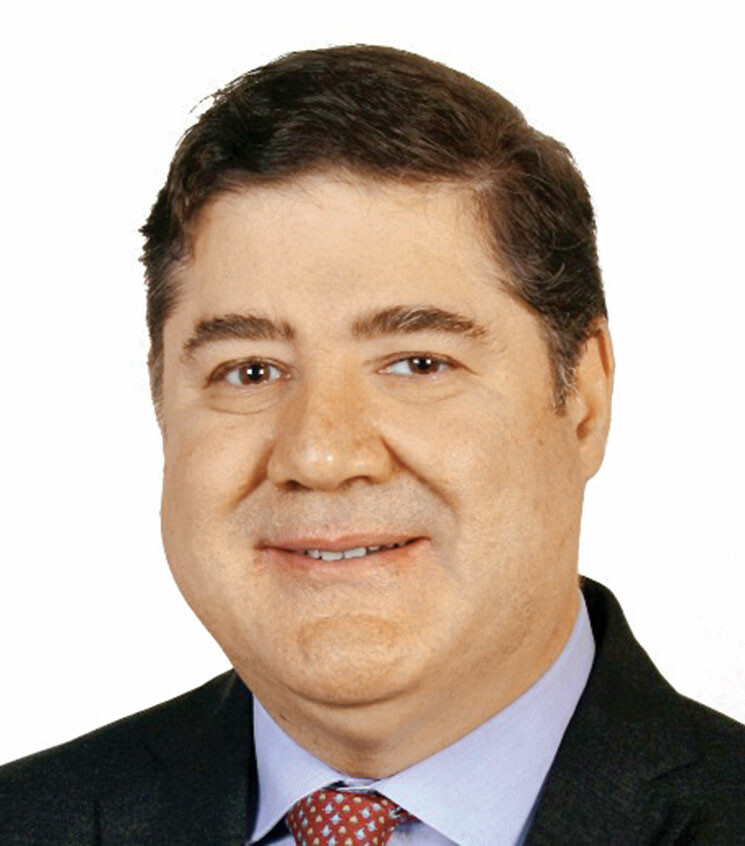
 By Alfredo Nolasco-Meza | CEO -
Tue, 09/29/2026 - 05:30
Mexico has used a shortcut surprisingly little, and the European experience recommends it at the top of its voice: co-investment. The Mexican SME does not have to build the capabilities it lacks alone; it can partner with someone who already has them. The proven model is the supplier that follows its customer. The German Mittelstand would never have crossed the Atlantic on its own; it did so because Volkswagen and Audi were already here, and in their wake much of the Bajío's industrial density was built — the same pattern that economic geographers documented when German suppliers followed VW to Shanghai.
Something similar is beginning around Safran in Queretaro, now one of the group's main global platforms: in a Mexican aerospace sector overwhelmingly tilted toward manufacturing, with only a sliver of engineering capabilities, every European engineering or special-process supplier that lands is, literally, the missing link. Others already understood arrival as a complement rather than a competition: Austrian connectors, Portuguese tooling, Polish aerospace specialists. The uncomfortable question is why the list of examples is so short.
Why the JV Works
The joint venture is the natural vehicle because each side brings exactly what the other lacks. The foreign partner contributes technology, certifications, and — most valuable of all — access to its global customer. The Mexican partner contributes the plant, the talent, mastery of the regulatory and labor terrain, and the local relationships without which nothing operates in this country. I have watched these marriages succeed and fail, and the difference is almost never technical; it is method and accompaniment. The midsized European firm does not set up alone in Mexico — too much risk aversion, too little structure for a market it perceives as complex — but it will co-invest when a trusted partner guarantees the landing.
For the Mexican SME, the JV is also the fastest way up the ladder: the certification, the technology, and the customer arrive together, in the same contract. We saw it firsthand when a US-based automotive group (Emotiv Mobility) we worked with ended up negotiating co-investments with Mexican makers of tooling, plastic injection, and engineering services — the ladder and the lever operating together in one real case.
The machinery Gap
So why doesn't it happen more often? Because matchmaking does not happen by itself, and here comes the criticism I can make with knowledge of the cause. On the European side, precision machines operate: Team France Export accompanies thousands of French SMEs a year through Business France, Bpifrance, and its young-professionals-abroad program. On the Mexican side, a dismantled engine: since ProMéxico was dissolved in 2019, Mexico has been the only OECD country without a national export and investment promotion agency.
States, consultancies like Spyral, and business organizations like COMCE, which absorbed part of the task by agreement with the Economy Ministry and the Ministry of Foreign Affairs, fill the vacuum as best we can, but filling a vacuum is not the same as having a policy. The asymmetry is brutal: our partners can push their companies toward Mexico; Mexico, institutionally, can neither pull its own toward the world nor, methodically, receive those who arrive.
The remedy fits in three verbs that require re-founding nothing. Identify: map, cluster by cluster, which links are missing and which foreign firm has them. Match: professional, curated pairing — not business-card fairs. Anchor: accompany the co-investment until it produces, because in Mexico you do not close with a PowerPoint, you close with a face.
Industrialize the Funnel
Let me show the kitchen of our own trade, because method weighs more than discourse. When we develop supply for a global buyer, we run a disciplined funnel: build the technical-commercial profile of each required part; distribute it to a wide universe — 50 to 200 candidate profiles per part, identified by tariff code and industrial classification; refine to a short list of about 25 for specs and samples; visit and audit the five to 10 finalists on site; deliver a final list with individual dossiers; then the aftercare that decides success: environmental and labor compliance, USMCA rules of origin, ESG criteria, and access to programs like IMMEX. One recent exercise analyzed 217 Mexican companies to reach eight finalists. The moral is not guild vanity; it is public policy: If a boutique consultancy can process 200 profiles per part with artisanal craft, a state that owns economic censuses, customs records, and a digital single window can — and must — industrialize that funnel at national scale.
The timing writes itself. The modernized Global Agreement with the European Union, signed in May 2026, contains precisely the chapters this agenda needs: cross-border services, digital trade, and — a genuine novelty — a chapter dedicated to integrating SMEs into global value chains. Access to market we already have. Co-investments we still don't. Converting the first into the second is the most profitable diplomatic task of the decade — and the next piece asks whether our industrial policy is actually pointed at it.
You May Like
Most popular



