

Human-Centric Leadership: Titles Change. Character Remains


STORY INLINE POST


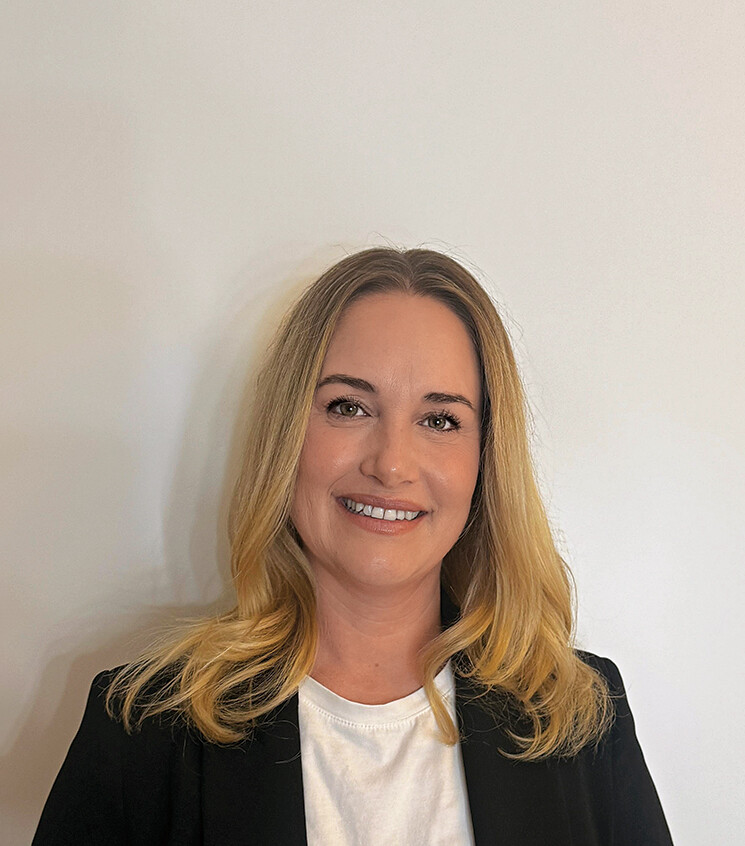
 By Helena Carlsson | Trade Commissioner -
Thu, 06/11/2026 - 06:30
After almost 25 years working across countries, cultures and industries, one lesson stands out more than any other: Business is ultimately about people.
Not strategies.
Not PowerPoint presentations.
Not budgets.
People.
Throughout my career, I have worked with colleagues, clients and partners from different backgrounds, cultures and perspectives. I have worked in Sweden, the United States, the Caribbean, Central America and Mexico. I have had the privilege of working as a project manager, leader, manager, trade commissioner and country manager.
While every role has been different, one thing has remained constant: organizations succeed when people trust each other, support each other and treat one another with respect.
We often spend a great deal of time discussing leadership, productivity, growth and performance. These topics are important. But sometimes we overlook the foundations that make all of those things possible in the first place.
Kindness.
Respect.
Trust.
These qualities are often viewed as soft values. In reality, they are among the strongest drivers of long-term success.
One thing life has taught me is that you never know where people will be tomorrow.
The colleague sitting next to you today may become a future CEO.
The intern may become a key decision-maker.
The receptionist may become your most important business contact.
The person cleaning the office deserves exactly the same respect as the person leading the company.
Titles change. Positions change.
Character remains.
In today's fast-paced business environment, it is easy to focus on hierarchy and status. Yet, some of the most successful leaders I have met share a common characteristic: they treat everyone with the same level of respect regardless of title, role or position.
People remember that.
They remember how they were treated during stressful projects, difficult negotiations and challenging periods. They remember who listened, who supported them and who treated them with dignity.
Another important lesson is that managers and project leaders are not made of steel.
Behind every title is a human being doing their best. Leadership comes with responsibility, difficult decisions and sometimes criticism. Just like everyone else, leaders have good days and bad days.
This is why trust matters so much.
In strong teams, we assume positive intent. We trust that our colleagues are doing their best with the information, resources and circumstances they have. We support each other instead of jumping to conclusions. We speak with each other, not about each other.
Of course, people will make mistakes. We all do.
But organizations thrive when people feel safe enough to learn, improve and contribute without fear.
Looking back, I cannot remember a single successful project that was built on fear, distrust or internal competition. The best results have always come from teams where people trusted each other, challenged each other respectfully and worked towards a common goal.
High-performing teams are not built through shouting, blame or intimidation.
They are built through trust, psychological safety and mutual respect.
People perform at their best when they feel valued, heard and trusted.
This becomes even more important when working internationally.
In international business, we work across languages, cultures and different ways of thinking. Misunderstandings happen. Expectations differ. Perspectives vary.
That is precisely why kindness matters.
Kindness creates trust.
Trust creates collaboration.
And collaboration creates results.
Over the years, I have learned that relationships often outlast transactions. Projects come and go, but trust, reputation and the way we treat people stay with us for years.
It is a principle I try to carry with me every day: treat people with respect, assume positive intent and never underestimate the impact of kindness.
Trust your colleagues.
Assume positive intent.
Support each other.
Treat everyone with respect.
Because at the end of the day, people may forget what project you worked on, what budget you managed or what deal you closed.
But they will remember how you made them feel.
And in the long run, that is often what defines both great leaders and great organizations.
Titles change.
Positions change.
Circumstances change.
Character remains.
And at the end of the day, business is not about transactions.
It is about people.
You May Like


Most popular



