

The New Corporate Wellness Equation: Strong Body, Resilient Mind





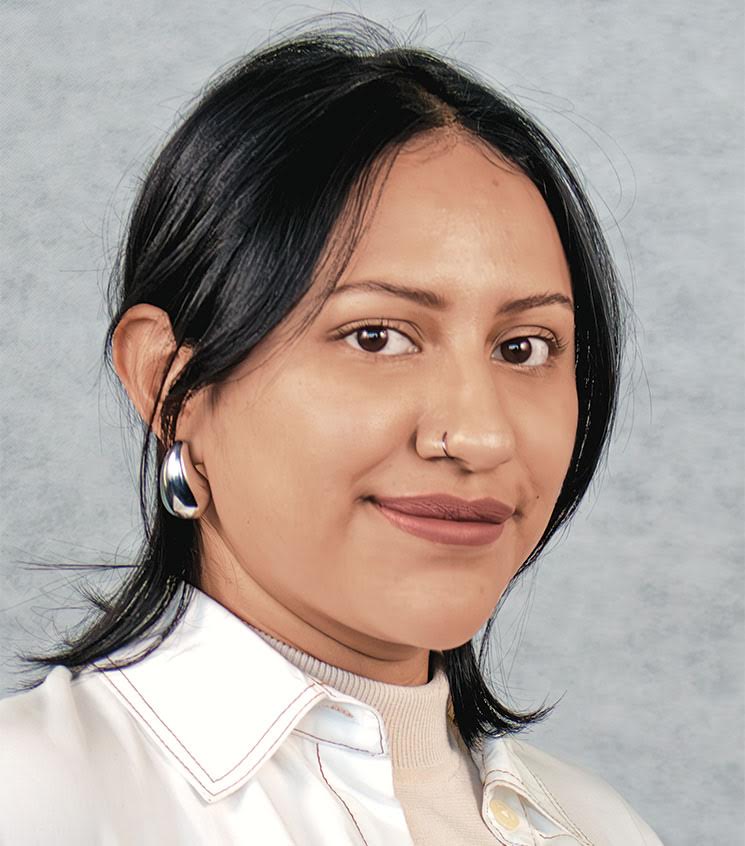 By Aura Moreno | Journalist & Industry Analyst -
Thu, 06/04/2026 - 16:06
Q: How has TotalPass evolved over the past year?
A: Over the last fiscal year, TotalPass has grown exponentially and shifted from telling a wellness story to becoming an intrinsic part of the Mexican corporate ecosystem. We aligned our strategy with federal regulations like NOM-035, offering tax-deductible solutions that bring together physical, mental, and nutritional health under one roof. Our platform now covers over 250 physical activities alongside robust digital verticals for psychological therapy and mindfulness.
To support that shift, we professionalized our internal teams across technology, product, and fraud prevention, evolving from a fitness aggregator into a sophisticated marketplace and data-driven partner for HR leaders.
Q: How do you define "life integration," and why does it matter more than work-life balance?
A: Modern medicine has extended how long we live, but not necessarily how well we live. "Work-life balance" implies a tug-of-war between two competing forces; life integration, on the other hand, means weaving health into every dimension of how people work and live.
It is a subtle but important distinction. When wellness is treated as something separate from work, it becomes optional. When it is integrated, it becomes structural.
Q: What impact have your wellness programs had on corporate productivity and retention?
A: We connect wellness participation directly to business KPIs through data matching, linking platform usage to performance metrics. The data consistently shows that physically healthier employees are more resilient, less burned out, and more productive. Retention is increasingly tied to Generation Z's expectations. About 70% of Generation Z employees will not commit to an organization that lacks robust, digital-first health benefits. Wellness has become as fundamental to their compensation as salary.
Q: What is Generation Z actually looking for in a workplace wellness offering?
A: They want it to be digital-first, flexible, and diverse. The old "gym membership" model does not cut it anymore. Generation Z expects options, from CrossFit to online nutrition coaching, accessible on their terms. They also want wellness to feel like part of their identity and community, not just a corporate checkbox. That is why we focus on "training with purpose," making fitness a vehicle for belonging and personal growth within an organization.
Q: Are Mexican companies shifting from reactive to preventive mental health strategies?
A: We are seeing a genuine shift. Organizations are moving away from siloed, traditional models toward life integration frameworks, especially as remote and hybrid work becomes the norm.
Mexico still has ground to cover. While 80% of companies in markets like Brazil invest in wellness, only about 30% of Mexican firms do the same. The demand for preventive emotional support is rising, but adoption is lagging.
Many leaders intellectually understand mental health, yet fail to implement the structural changes or empathetic leadership needed to address the root causes of workplace stress. They understand the theory, but the day-to-day reality of how teams are managed, evaluated, and supported has not caught up. Closing that gap is one of the biggest challenges we work on with our corporate partners.
Q: How does physical health connect to mental resilience?
A: We use data to show that physical health is the primary driver of mental resilience. Metabolic health through exercise directly reduces burnout and improves sleep quality. These are not soft benefits, they are measurable outcomes. That is why our platform prioritizes physical activity as the entry point. It is the most reliable lever we have for improving overall wellbeing, including emotional and cognitive performance.
Q: What new wellness categories are gaining relevance in 2026?
A: Two pillars are emerging alongside traditional physical health: financial wellness and the science of longevity. Financial literacy and personal fiscal security are becoming urgent priorities in Mexico. Employees who are financially stressed are not healthy employees, regardless of how many gym classes they attend. On the longevity side, the mantra "strong is the new beautiful" is reshaping how people think about fitness. Muscle mass is now recognized as a primary marker of long-term health, driving a surge in weight training and disciplines like HYROX, particularly among women.
Q: How do you plan to expand your offering, and how will these new additions benefit employees?
A: We are building out the legal and technological framework to incorporate family plans into our ecosystem. An employee's wellness does not exist in a vacuum; it is deeply connected to the health of their family and the community they build around fitness. This is the next frontier for us: moving from individual wellness to household and community wellness as a single integrated offering.
Q: What is TotalPass's strategic roadmap through 2027?
A: Our roadmap runs in three phases: market penetration, lifestyle leadership, and digital integration. In the near term, the priority is expanding wellness adoption among SMEs. They are the backbone of the Mexican economy but have historically been underserved compared to multinationals; that is a gap we intend to close.
In the medium term, we will consolidate as the go-to lifestyle platform by integrating nutrition and family-inclusive health plans. Long-term, our goal is to become the digital backbone of employee wellbeing in Mexico, seamlessly integrating with global HR tech platforms and delivering real-time ROI data so CEOs can see, in concrete fiscal terms, what a healthy and resilient workforce does for their bottom line.
Most popular



