

Prevention, Not Compensation, Will Define the Talent Race



STORY INLINE POST


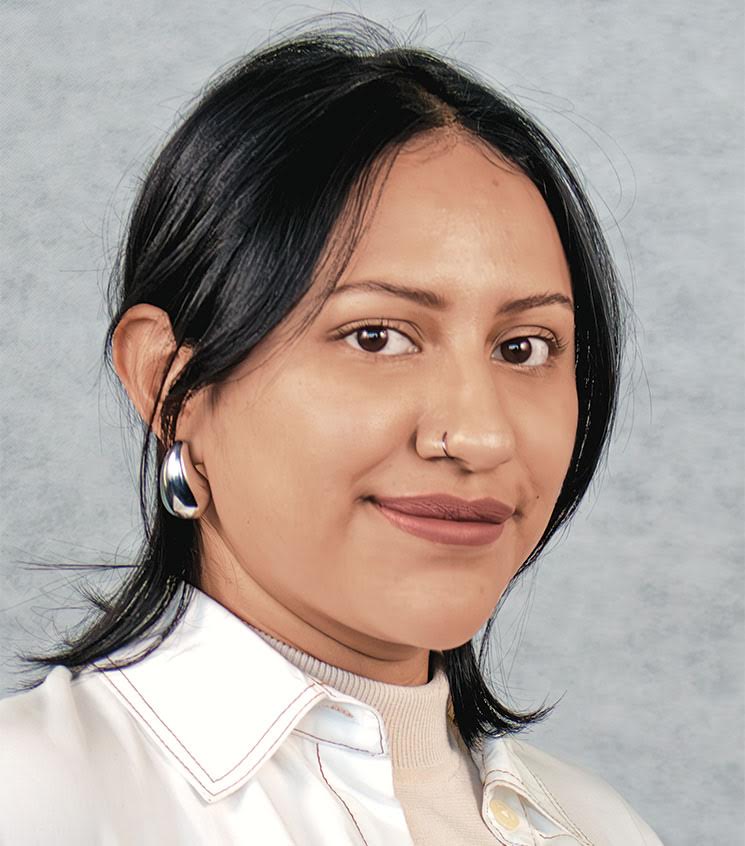 By Aura Moreno | Journalist & Industry Analyst -
Tue, 05/19/2026 - 10:42
Q: What led to the creation of Meddi and how does it support the development of an affordable health access model?
A: My experiences in public healthcare showed me its systemic inefficiencies, such as limited access to medication, bed shortages, and delayed care. The company’s foundation is rooted in firsthand exposure to healthcare inequities, which shaped our focus on accessibility, efficiency, and data-driven decision-making.
Meddi began as a side project within a small clinic in Guadalajara, where we tested a model focused on improving access and utilization by offering discounted consultations and filling unused physician capacity. By negotiating lower consultation fees and aggregating demand, we created a volume-driven system that benefited both patients and providers. The model evolved from solving operational pain points observed in clinical practice, including ambulance tracking, access gaps, and cost barriers. It gradually scaled beyond the original clinic, expanding nationally and into the United States.
Q: What benefits has Meddi observed from the inclusion of employees’ families within its healthcare benefits plans?
A: Including family members strengthens preventive care and increases program utilization, which ultimately improves outcomes and reduces long-term costs. Even in our entry-level plan, we extend benefits to four direct relatives, ensuring continuity of care and discouraging self-medication.
This strategy is supported by data-driven preventive medicine: we manage over 1.5 million users and have built a large dataset of laboratory results, enabling evidence-based analysis of diagnosis accuracy, prescription patterns, and preventive opportunities. By integrating AI and proprietary decision-support tools, we assist physicians in making more accurate clinical decisions. For employers and insurers, extending coverage to families improves workforce engagement, supports retention, and lowers future healthcare expenditures, creating shared value for employees, organizations, and insurers.
Q: How has the perception of occupational health shifted among employers, and what motivates them to invest in services like Meddi?
A: Companies increasingly view occupational health as a strategic investment rather than a cost, driven by chronic disease prevalence, absenteeism, presenteeism, and evolving regulatory requirements. Organizations are prioritizing preventive and digital health models because these provide actionable data at the worksite level, allowing HR teams to identify risks and design targeted interventions. This shift reflects a broader market inflection point in which employers aim to improve productivity and operational efficiency through integrated health ecosystems. As a result, companies are adopting solutions that connect employee experience, preventive care and analytics, enabling evidence-based decisions that reduce risk exposure while strengthening workforce performance.
Q: What long-term trend do you foresee in how companies compete for talent through health benefits?
A: Companies are expected to increasingly compete to become the most attractive employers by differentiating through comprehensive health and well-being benefits rather than relying solely on compensation. Organizations are beginning to promote healthcare benefits as part of their employer branding, signaling a shift toward employee choice and mutual value creation. In this model, employees evaluate employers based on the quality of benefits offered to them and their families, while organizations invest in preventive health to strengthen engagement and productivity.
This represents a transition from traditional retention strategies to a collaborative approach in which both employer and employee actively choose to maintain the relationship, supported by programs that enhance long-term workforce sustainability.
Q: What are Meddi’s short-term priorities for growth and market expansion?
A: Our immediate priority is consolidating an integrated ecosystem with strategic partners, including insurers and healthcare providers, to ensure traceability across prevention, care delivery, and cost management. We are pursuing growth through two parallel tracks: strengthening the joint ecosystem with our insurance partner and accelerating market penetration among large enterprises.
Our commercial strategy focuses on increasing adoption within top-tier companies, leveraging financial backing, and building executive-level relationships to scale rapidly. The objective is to expand preventive healthcare coverage, reduce workforce, risk and improve retention and productivity through a unified physical and digital health infrastructure that integrates hospitals, clinics, laboratories, and telemedicine into a single operational framework.
Meddi is a 360° digital corporate wellness ecosystem designed to care for, treat, and protect employees, their families, and organizations through personalized healthcare plans.
You May Like


Most popular



