


Mexico Highlights Livestock Sector's Role in Food Security
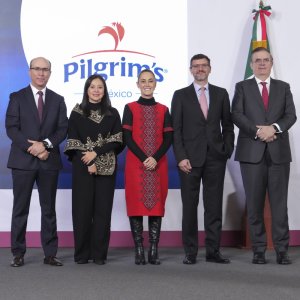
Julio Berdegué, Minister of Agriculture and Rural Development (SADER), emphasized the need for unity in the livestock sector as the country faces economic and sanitary challenges. Speaking during the National Livestock Day commemoration, he called for support of the government's policies aimed at strengthening food security and production.
Berdegué stated that Mexico is implementing short, medium, and long-term strategies to enhance productivity in the livestock industry. He underscored the importance of ensuring food sovereignty, a constitutional right that guarantees access to nutritious and sufficient food for the population.
As part of these efforts, the government is working to control and eradicate the New World screwworm, a livestock pest. Berdegué noted that this initiative presents an opportunity to improve the country's animal identification and traceability system, which is critical for maintaining sanitary standards. He acknowledged the collaboration between the National Service for Agri-Food Health, Safety, and Quality (SENASICA), the National Confederation of Livestock Organizations (CNOG), and livestock producers in addressing sanitary challenges. He also pointed to the need for the sector to adapt to shifting commercial conditions and increase domestic production of meat, eggs, milk, poultry, and pork.
Mexico’s livestock industry contributes MX$275 billion (US$3.5 billion) to the national GDP and involves 1.2 million producers and numerous companies. According to Homero García, President, CNOG, the industry plays a vital role in employment generation and economic growth. He expressed confidence in President Claudia Sheinbaum's ability to negotiate favorable conditions for the sector and the broader economy.
You May Like


Most popular








