


SADER to Develop Bio-input Plant in Chiapas
 By Eliza Galeana | Junior Journalist & Industry Analyst -
Mon, 09/11/2023 - 20:55
By Eliza Galeana | Junior Journalist & Industry Analyst -
Mon, 09/11/2023 - 20:55
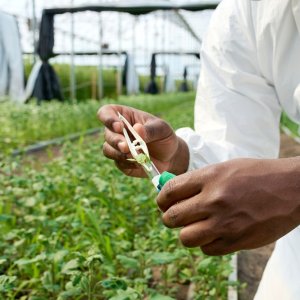
The Ministry of Agriculture and Rural Development (SADER) is set to inaugurate the first production plant for bio-inputs in Chiapas. The holistic project will also provide workshops, field demonstrations and educational materials for local farmers. These initiatives aim to ensure the successful integration and long-term adoption of bio-inputs in the country.
Through the Institute of Forestry, Agriculture and Livestock Research (INIFAP), SADER is overseeing the establishment of the first plant dedicated to the production of microorganisms and bio-inputs derived from native strains of bacteria and fungi found in Chiapas. The project is being developed alongside The Nature Conservancy (TNC), an international organization dedicated to the conservation of biodiversity and the natural environment.
Bio-inputs, which are biological products derived from microorganisms like bacteria, fungi and viruses, are safe for human health and the environment. They are meant to become a sustainable alternative to agrochemicals, presenting numerous advantages. These benefits include increasing microbial biodiversity, improving soil quality, enhancing plant resistance to pests and diseases and improving the quality of agricultural products.
SADER reported that the one-of-a-kind bio-inputs plant will be located in the Cristóbal Obregón ejido, Villaflores municipality, Chiapas. According to Roberto Reynoso, Researcher, Chiapas Experimental Center, the plant will use native microorganisms from the region, aiming to have a direct positive impact on agriculture, biotechnology and the conservation of ecosystems and genetic resources.
Furthermore, the initiative will provide training programs, including workshops and courses for the state's producers, reported Reynoso. SADER aims to facilitate the seamless integration of bio-inputs within the region through these field demonstrations, the distribution of educational materials and the provision of technical support related to the diverse range of beneficial microorganisms, their use and application in production systems.
"Local agricultural producers will be trained using simple methods and regional materials to operate the biofactory efficiently," says Reynoso. Additionally, he highlights the collaborative work that has been carried out with ejido producers, which permitted the assessment of microbial strains of interest. Furthermore, he notes that the project is committed to the dissemination of appropriate techniques for the application of microorganisms, based on the specific needs and agricultural conditions of rural communities in Chiapas.
You May Like







Most popular








