


The Week in ESG: Air Pollution, Renewable Energy Boost
 By Eliza Galeana | Junior Journalist & Industry Analyst -
Thu, 04/03/2025 - 15:58
By Eliza Galeana | Junior Journalist & Industry Analyst -
Thu, 04/03/2025 - 15:58
Air pollution causes 5.7 million deaths annually and accounts for nearly 5% of global GDP losses, reported the World Bank. Meanwhile, renewable energy reached record growth in 2024, according to IRENA.
This is the Week in ESG!
The High Cost of Air Pollution: World Bank
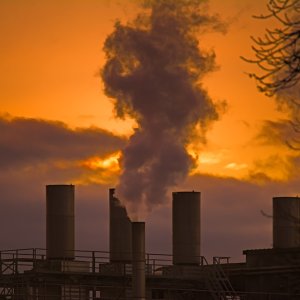
Air pollution causes an estimated 5% loss of global GDP and 5.7 million deaths annually, disproportionately affecting low and middle-income countries, according to a World Bank report. The study highlights the need for stronger institutions, better air quality monitoring, and increased private investment to drive pollution reduction efforts across key sectors like agriculture, urban development, and industry. Implementing integrated policies could reduce pollution-related deaths by 35% by 2040, yielding economic benefits worth up to 2.1% of global GDP.
Record Growth in Global Renewable Energy Capacity: IRENA
In 2024, renewable energy saw record growth, accounting for 92.5% of global energy capacity expansion, with solar and wind energy leading the charge, according to IRENA’s report. Despite this progress, the report underscores that the world is still behind the pace needed to meet the 2030 target of tripling renewable capacity, with significant regional disparities in growth. In Mexico, clean energy generation fell short of international commitments, but President Claudia Sheinbaum has set an ambitious goal to achieve 45% of electricity from renewable sources by 2030, requiring substantial investments.
Mexico, Canada Support Indigenous-Led Conservation
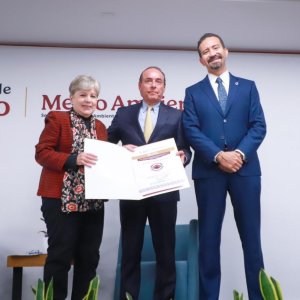
The Mexico-Canada Partnership (MCP) event focused on the role of traditional Indigenous knowledge in biodiversity conservation and climate change adaptation, bringing together officials and Indigenous representatives from both countries. Discussions highlighted the significant contribution of Indigenous peoples in safeguarding 80% of global biodiversity and featured programs like Canada’s Indigenous Guardians and Mexico’s conservation initiatives. The event emphasized the importance of intergenerational knowledge transfer and collaboration between Indigenous communities and governments to strengthen conservation efforts and foster sustainable, community-driven solutions.
BBVA Expands Sustainability Training for 466 Companies
BBVA has launched its third annual sustainability training program for SME suppliers, expanding to 466 companies in 13 countries, an 11% increase from 2024. The five-month program, aligned with the UN Global Compact’s Sustainable Suppliers initiative, helps SMEs overcome challenges in adopting sustainable practices by providing online courses, templates, and case studies. This year, the program set a new record with 5,200 SMEs from 72 countries participating, representing a 55% growth from the previous year.
LTH Reinforces Commitment to Environmental Awareness
LTH reaffirmed its commitment to environmental awareness by participating in the Cumbre Tajín 2025 for the fifth consecutive year through its educational program, Eco Jornadas LTH. Focused on teaching children about resource conservation and environmental care, the program has reached over 90,000 children in Veracruz and expanded to other localities like Papantla. LTH plans to continue promoting environmental education through family activities in parks and ecological reserves while expanding the program to include preschool children and developing new strategies with its distributor network.
You May Like





Most popular








