


Mexico City Launches Cableway Line 3, Chapultepec Cultural Park
 By Adriana Alarcón | Journalist & Industry Analyst -
Wed, 09/25/2024 - 15:05
By Adriana Alarcón | Journalist & Industry Analyst -
Wed, 09/25/2024 - 15:05
On Sep. 24, the Mexico City government, in collaboration with the federal government, celebrated the inauguration of two major infrastructure projects: the Cableway Line 3 and the Fourth Section of the Chapultepec Forest. These projects are part of the “Chapultepec: Nature and Culture” initiative, aimed at integrating green spaces with cultural infrastructure to enhance the quality of life for millions of residents.
“Today, we inaugurate one of López Obrador’s greatest works: ‘Chapultepec: Nature and Culture,’” says Martí Batres, Head of Government of Mexico City. He adds that the project represents a revival of public infrastructure, serving not only as a transport solution but also as a space for recreation, culture, and environmental conservation.
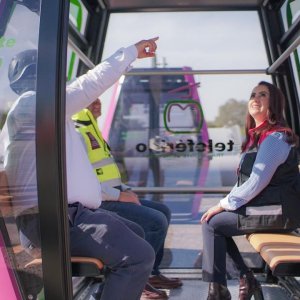
Cableway Line 3 began construction in 2022, with Doppelmayr and Grupo INDI winning the public tender to build it. The Cableway Line 3 is designed to connect the four sections of Chapultepec Forest, allowing them to be traversed in just 21 minutes, significantly improving mobility for residents in the Miguel Hidalgo and Alvaro Obregon boroughs. The new line spans 5.42km and includes six stations: Vasco de Quiroga, Cineteca Chapultepec, PARCUR / Colegio de Arquitectos, Charreria, Panteon de Dolores, and Los Pinos / Constituyentes, 71 cabins, 40 towers, and connect with the Constituyentes Metro station and Vasco de Quiroga station of the Interurban Train.
This project is set to benefit over 7 million people and is expected to serve 26.2 million passengers annually, reducing travel times and providing a safe, environmentally friendly transport option. The project cost the Mexico City government MX$2.4 billion (US$123.9 million), which were financed through the Ministry of Works and Services (SOBSE). It forms part of the broader “Chapultepec: Nature and Culture” program. By connecting Santa Fe and Constituyentes, the new line will serve as an efficient public transport system and also as a tourist attraction.
According to SEMOVI’s Sixth Government Report, the cableway will provide a fast and safe transportation option, with an estimated 36,000 daily trips at a fare of MX$7 (US$0.36). The project has a budget of MX$2.32 billion (US$119.5 million) and is expected to be completed by November 2024.
Konstantinos Panagiotou, CEO, Doppelmayr Mexico, writes in MBN that cableways are a key innovation in urban mobility that connects remote and hard-to-reach areas in densely populated cities, offering a fast, efficient, and eco-friendly transport alternative. By bypassing ground traffic, cableways not only reduce travel times but also provide safe, accessible mobility to marginalized communities. This improved connectivity strengthens social cohesion, stimulates economic growth, and enhances residents’ quality of life.
The Fourth Section of the Chapultepec Forest, which spans 800ha, was also inaugurated. According to the federal government, Chapultepec is now the largest cultural park in the world, spanning 866ha — three times the size of New York’s Central Park.
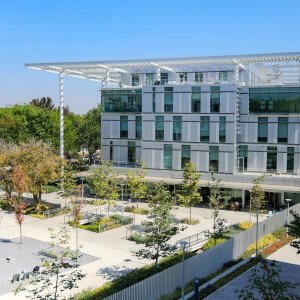
The government also opened several other cultural venues, including the new Chapultepec National Film Archive, which can accommodate 2,300 spectators and features an open-air forum for 280 people. Authorities also reported the completion of the National Art Warehouse, a 13-building complex built with an investment of MX$1.2 billion (US$61,9 million). These spaces will host art collections, performances, and educational activities, reinforcing Chapultepec’s role as a hub for both culture and nature.
You May Like




Most popular








