


Airline Resiliency, Backbone to Recovery
 By Misael Oliver | MBN staff -
Thu, 04/09/2020 - 08:00
By Misael Oliver | MBN staff -
Thu, 04/09/2020 - 08:00
Air travel has been one of the hardest-hit sectors since the early days of the pandemic. With countries first issuing travel bans for international travel and eventually shutting down air travel almost completely. Countries around the world have gradually taken dramatic measures, including absolute lockdowns, closing down airports, enforcing travel bans and totally locking their borders to prevent the spread of COVID-19.
According to statistics from TSA Airport Screening, US airport passenger traffic was down 95 percent in 2020 as of April 5, something that has not been seen since 9/11. In comparison to the US, Mexico has also reported a major decrease in air traffic.
Aeroméxico, Mexico's largest commercial airline, has reported a 41.5 percent year-on-year decrease in the number of passengers transported, according to a report published by the carrier in its March 2020 traffic results report. In addition, the study revealed a decrease of 51.4 percent in international passenger numbers and a decrease of 35.9 percent in domestic passenger numbers, as well as a year-on-year fall of 43.4 percent in passenger-kilometers revenues (PRKs). Aeroméxico’s efficiency, measured in usable seat kilometers (ASKs), decreased by 26.9 percent year-on-year.
Even though facts are less than optimistic, airlines and other companies around the whole supply chain aim to rely on the infrastructure they already have to overcome this situation. Some companies are also using their knowledge to help policymakers cope with this exceptional situation.
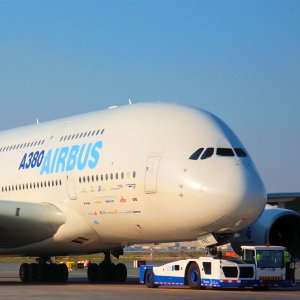
For example, Airbus, the aircraft manufacturer, is importing millions of face masks from China, the vast majority of which will be given to the governments of the home countries of the corporation, including France, Germany, Spain and the UK.
This example was followed by other countries. The Mexican government has coordinated with Aeroméxico the use of a Boeing 787 airplane to transport 10 tons of medical supplies from China. Meanwhile, the exemplary Spacelab Mx aerospace startup based in Monterrey has developed and donated safety equipment to the medical corps attending the COVID-19 contingency in their region, according to the Monterrey Aerocluster.
Governments around the world understand the value of the sector by including the industry as a destination of resources in the financial and economic programs that are being implemented to solve the crisis. The US CARES Act (Coronavirus Assistance, Relief and Economic Protection Act) provides US$58 billion in financial support to the US airline industry, US$50 billion in cash and loans to US commercial airlines, US$4 billion to cargo carriers and US$3 billion to company contractors.
Experts say it could take up to two years to go back to normal for airlines, so the path forward might be difficult and strenuous. But if the current efforts by companies all throughout the supply chain reflect something, it is that aviation and aerospace companies are resilient.
You May Like


Most popular








