DOT Targets AICM Policies, Seeks to End Aeroméxico-Delta Alliance
 By Teresa De Alba | Jr Journalist & Industry Analyst -
Mon, 07/21/2025 - 12:22
By Teresa De Alba | Jr Journalist & Industry Analyst -
Mon, 07/21/2025 - 12:22
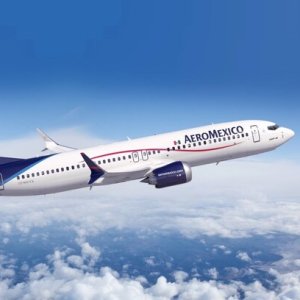
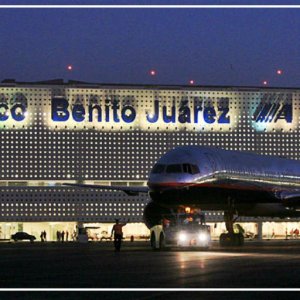
The US Department of Transportation (DOT) has raised complaints against Mexico over aviation policies affecting US carriers, citing violations of the 2015 US-Mexico Air Transport Agreement. The DOT highlighted operational changes at Mexico City International Airport (AICM) and the forced cargo relocation to Felipe Ángeles International Airport (AIFA) as key actions harming US airlines. It also announced a preliminary decision to revoke the antitrust immunity of the Aeroméxico-Delta Air Lines alliance, effective Oct. 25, 2025.
The DOT cited two specific measures taken by Mexican authorities as reasons behind the complaints: a reduction in hourly operations at AICM from 61 to 43 between August 2022 and August 2023, and the mandatory relocation of exclusive cargo flights to AIFA beginning Sep. 1, 2023. These changes, the DOT argues, imposed additional costs and operational challenges on US carriers including Delta, American Airlines, United Airlines, UPS, FedEx, and Atlas Air, and violate Art. 11 of the air transport agreement, which mandates fair and equal competitive opportunities for airlines from both countries.
The DOT has demanded that all Mexican airlines submit their current passenger and cargo schedules by July 29, 2025, for legal compliance review. Additionally, any future charter operations by Mexican carriers will require prior US approval starting 30 days after the enforcement of the new ruling.
Mexican President Claudia Sheinbaum stated on July 21 that decisions regarding flight distribution among AICM, AIFA, and Toluca Airport were based strictly on technical criteria aimed at ensuring air safety and improving the airport system in the Valley of Mexico.
Sheinbaum confirmed that no formal notification from the US government had been received and emphasized that if such communication occurs, it will be addressed through dialogue with airlines and relevant authorities. She acknowledged some complaints from carriers about short notice but noted most have adjusted, with infrastructure improvements ongoing at AIFA to enhance its cargo handling capabilities.
CANAERO stated that DOT’s approach “represents a significant impact on the aviation industry, with possible repercussions on connectivity, commercial flow, and sector competitiveness between the two countries.” The chamber called for technical and constructive dialogue, emphasizing that “it is essential to advance toward joint solutions based on dialogue and cooperation” to preserve bilateral cooperation and avoid greater harm to the industry.
The DOT also moved to end the antitrust immunity that enables Aeroméxico and Delta to coordinate routes, pricing, and share revenue on cross-border flights. The immunity was granted in 2016. The DOT’s analysis emphasized that the alliance has shown lower capacity growth compared to other carriers. Nevertheless, in 2024, the Aeroméxico-Delta partnership reported a 15% growth rate, slightly higher than the 13% average among competitors, following the addition of flights to Raleigh/Durham, Tampa, and Washington-Dulles.
The DOT cited Congressional criteria requiring that antitrust immunity supports the competitive position of US carriers and ensures their profitability in international markets. Aeroméxico stated that it anticipated the DOT’s action and confirmed that its cooperation with Delta would continue outside the JCA framework. “We believe our agreements with Delta regarding codesharing, loyalty programs, lounge access, and operational synergies, including fuel acquisition, will remain in place.”
Mexican authorities, through the Ministry of Infrastructure, Communications and Transport (SICT), responded by reaffirming their commitment to a safe and efficient aviation system, reports MBN. They pointed to ongoing improvements at AICM, including infrastructure work and revised slot allocations, which increased hourly capacity from 43 to 44. US carriers have reportedly regained some previously withdrawn slots. Regarding the cargo relocation, Mexico referenced a February 2023 presidential decree that cited terminal congestion at AICM and the need to protect operational safety. Mexican officials argued that the changes complied with Art. 11, Paragraph 3 of the agreement, which allows limitations based on customs, technical, or operational grounds.
The AICM stated that slot reductions were presented transparently in coordination meetings that included airline representatives and associations such as CANAERO, which counts UPS, United, JetBlue, and Delta among its members. Mexican officials also noted prior bilateral engagement, including a June 2023 visit to AIFA by US Secretary of Transportation Pete Buttigieg and then-Mexican Minister of Infrastructure Jorge Nuño Lara. The meeting addressed the cargo relocation and FAA safety recertification. Minister of Economy Marcelo Ebrard is now leading Mexico’s negotiations with US counterparts on the ongoing dispute.
The DOT's actions could also affect the pending joint venture application between low-cost carriers VivaAerobus and Allegiant, first submitted in December 2021, which remains under review.
You May Like



Most popular