


Labor Strike Halts Bombardier Production: Aerospace Week
 By Reneé Lerma | Journalist & Industry Analyst -
Thu, 06/27/2024 - 10:08
By Reneé Lerma | Journalist & Industry Analyst -
Thu, 06/27/2024 - 10:08
Bombardier is grappling with a production halt for its business jets amid a labor dispute. Meanwhile, Guadalajara International Airport has reported a 4.6% decrease in air cargo traffic, while Birmingham Fastener has expanded its operations with the opening of a new distribution center in Queretaro.
Looking forward, the aviation industry anticipates advancements, with GE Aerospace preparing to introduce hybrid-electric engines for narrow-body aircraft by the 2030s.
Ready for takeoff? This is the week in aerospace!
Bombardier Strike Grounds Global Aircraft Production
A labor dispute has halted production of Bombardier's business jets at the company’s facility at Toronto Pearson International Airport.
Guadalajara Airport's Air Cargo Traffic Falls 4.6% in Early 2024
The air cargo traffic at Guadalajara International Airport declined by 4.6% during the first four months of 2024.
US Justice Department Weighs Response to Boeing 737 Max 8 Crashes
The US Justice Department is reviewing its response to Boeing's safety violations.
EU initiative Accelerates Electric and Hydrogen Aircraft
The EU has launched an initiative aimed at advancing the development of electric and hydrogen-powered aircraft.
Birmingham Fastener Opens First International Center in Queretaro
Birmingham Fastener has established a distribution center in Queretaro, marking the company's first venture outside the US.
GE Aerospace to Debut Hybrid-Electric Engines for 2030s Aircraft
GE Aerospace’s hybrid-electric engines designed for next-generation narrow-body aircraft are expected to debut by 2030.
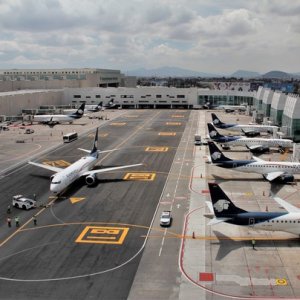
Aeroméxico to Launch Monterrey-Seoul Route
Aeroméxico will launch a new permanent route from Monterrey to Seoul, South Korea, beginning Aug. 1
View From the Top:
As apps become omnipresent, some companies see less need to provide the ‘human factor,’ opening an opportunity for others, writes Antonio Ulloa.
You May Like







Most popular







