


Mexicana de Aviación Targets Stability by 2030, Expands Routes
Mexicana de Aviación continues to execute its strategy to establish itself as a financially sustainable airline while expanding its connectivity offerings. The airline recently resumed operations on the Felipe Ángeles International Airport (AIFA)-Campeche route, which had been suspended on Jan. 6 due to operational adjustments.
“We are confident in our success because there is a market that can respond, but we need more time. We are working closely with the Ministry of Tourism, and this is not about competing with other airlines. We are addressing the connectivity needs of the state and other destinations we aim to reach,” said Colonel Genaro García, Deputy General Director of Institutional Development, Mexicana de Aviación.
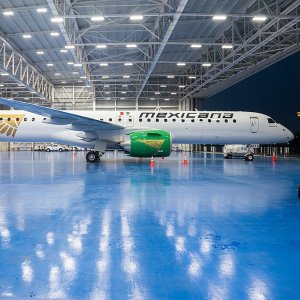
Mexicana de Aviación is in the process of receiving 20 Embraer aircraft, with deliveries progressing as scheduled. The airline currently operates a fleet of four aircraft: three Boeing 737-800s with a 174-seat configuration and one leased Embraer aircraft operated by TAR. The first Embraer E195, part of its planned expansion, is expected to arrive in May.
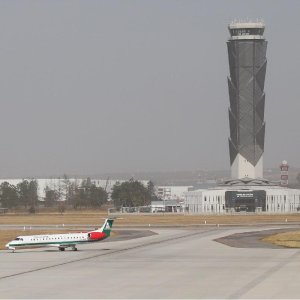
García Solís addressed concerns about the airline’s fleet availability, noting that although analysts have stated that Mexicana has only two operational aircraft, periodic maintenance ensures compliance with safety standards. He explained that the Campeche route was initially served by a Boeing 737, but due to demand adjustments, the airline transitioned to an Embraer RJ145 with 50 seats before returning to the 737 configuration.
The company plans to add two new routes—Monterrey and Puerto Vallarta—by April, coinciding with the Easter travel period. “By adding these routes, we will meet our commitment to operate 14 destinations this year,” García Solís stated.
“We are not wasting money. We understand that this is public funding, and we must ensure accountability. We are working to optimize our operations as much as possible,” said García Solís.
He acknowledged that achieving profitability within a year is challenging but emphasized that the company is working towards its financial targets. Mexicana de Aviación aims to reach financial stability by 2030.
“It takes time to reach the break-even point and achieve a return on investment. We are working on it, and the numbers will provide a clearer picture,” he added.
The acquisition of the 20 Embraer aircraft, along with supporting ground equipment and necessary tools, involves a budget of MX$21.7 billion. According to the Ministry of Finance and Public Credit (SHCP), MX$1.6 billion, or 7.4% of the total, had been spent by the end of 2024.
Mexicana de Aviación is collaborating with governments in the Yucatan Peninsula to offer integrated travel services, combining air transport with accommodations at Grupo Aeroportuario, Ferroviario, de Servicios Auxiliares y Conexos Olmeca, Maya Mexica (GAFSACOMM) hotels, as well as train travel on the Tren Maya.
“We are not trying to compete with all airlines. Today, we have a small market share, but as we grow, our presence will expand. The response from passengers has been positive. The fares are affordable, and the flight experience is different,” said García Solís.
You May Like






Most popular








