


Mexico’s Air Traffic to More Than Double by 2045, Airbus Says
 By Teresa De Alba | Jr Journalist & Industry Analyst -
Wed, 12/24/2025 - 11:23
By Teresa De Alba | Jr Journalist & Industry Analyst -
Wed, 12/24/2025 - 11:23
Passenger air traffic in Mexico is set to more than double over the next 20 years, climbing from 103.5 million passengers in 2025 to 215.6 million by 2045, according to Airbus’ latest Global Market Forecast (GMF). This 108% increase would position Mexico among the fastest-growing aviation markets worldwide.
Airbus attributed the growth to economic expansion, a rising middle class, and enhanced domestic and international connectivity. Travel frequency is expected to rise as well, with trips per capita projected to increase from 0.6 to 1.2 over the forecast period.
Domestic and regional travel are expected to see the strongest growth, with domestic passenger traffic projected to rise 148%, regional 146%, and international 60%. Domestic routes will remain the backbone of Mexico’s aviation network, supported by population distribution and internal mobility needs.
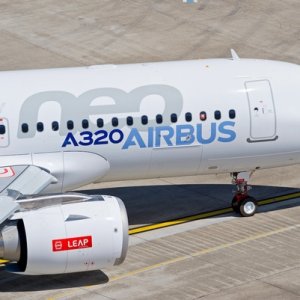
To meet rising demand, Airbus estimates that Mexico’s commercial aircraft fleet will need to expand by 64% over the next two decades, with single-aisle aircraft accounting for the largest share due to the predominance of short- and medium-haul routes.
The outlook mirrors global trends, with Airbus forecasting demand for 43,420 new passenger and cargo aircraft worldwide. Medium- and long-term global passenger traffic is expected to grow 3.6% annually, supported by international trade growth of 2.6%, GDP growth of 2.5%, and a global population increase of roughly 1.2 billion.
IATA data indicate that Mexico’s domestic aviation market grew 3.2% year-over-year from January to October 2025, while international traffic rose 4%. Tourism and aviation contributed US$88.3 billion, or 1.8% of GDP, in 2024.
Looking ahead, the sector faces structural challenges: integrating AICM, AIFA, and Toluca airports into a single metropolitan system; addressing slot constraints and infrastructure investments totaling MX$9 billion (US$500 million); and managing workforce shortages, with Latin America projected to require over 37,000 new pilots. Regulatory stability with the United States, particularly ahead of the 2026 World Cup, will also be critical to maintaining connectivity and competitive fares.
You May Like







Most popular








