


US Airlines Boost Premium Cabin Sales Amid Soft Demand
 By Teresa De Alba | Jr Journalist & Industry Analyst -
Tue, 07/22/2025 - 17:25
By Teresa De Alba | Jr Journalist & Industry Analyst -
Tue, 07/22/2025 - 17:25
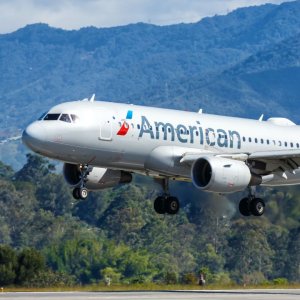
US airlines are increasingly relying on premium cabins to boost profits amid soft demand in the main cabin. Data from Visual Approach Analytics shows a 14% increase in US premium seats since 2019—more than three times the growth in main cabin seating.
In 2Q25, Delta Air Lines reported a 5% year-over-year increase in premium cabin revenue, compared to a 5% decline in main cabin revenue. That 10-point gap marked Delta’s widest premium outperformance since the pandemic and helped the airline achieve double-digit operating margins from April through June.
United Airlines posted similar results. Its premium cabin revenue rose 5.6% year-over-year in the June quarter, helping offset a modest 1.1% increase in total passenger revenue. “Premium capacity remains resilient,” said United CCO Andrew Nocella. Airline executives attribute this trend to strong consumer spending among US households earning over US$100,000, which account for 75% of total travel expenditures. Delta CEO Ed Bastian added, “Our core consumer is in good shape and continues to prioritize travel.”
In contrast, lower-income travelers have cut back due to economic pressures. Bank of America data shows spending by middle- and higher-income households remained steady in June, while spending among lower-income households declined. JetBlue recently told staff that “soft demand makes a breakeven operating margin in 2025 unlikely,” signaling mounting pressure on budget carriers.
According to Airlines Reporting (ARC), US-based travel agency air ticket sales totaled US$52.3 billion from January through June 2025, down 1% from the same period in 2024. However, passenger trips rose 2% year over year, with domestic trips up 2% and international up 3%.
“Airlines and travel agencies faced a rapidly changing economic environment in the first half of the year,” said Steve Solomon, ARC’s chief commercial officer. In response, airlines are expanding premium offerings.
Delta said premium cabins accounted for 43% of its passenger revenue in Q2, up from 35% in 2019. The airline projects premium cabin revenue will surpass that of the main cabin by 2027. United unveiled new premium suites on its Boeing 787-9s, featuring privacy doors, 27-inch screens, skincare products, and caviar-and-wine pairings. Alaska Airlines plans to boost premium seat share on its fleet from 26% to 29% next summer.
Budget airlines are also moving upscale. JetBlue has introduced first-class seating and lounges in New York and Boston. Frontier is retrofitting front-row seats for a first-class experience, and Spirit is rebranding as a premium carrier.
Despite strong performance in the premium segment, concerns linger. New US tariffs set to take effect on Aug. 1 could increase costs on imported aviation parts. Industry groups warn of potential long-term operational and economic impacts. As trade tensions persist, airline profitability remains under pressure.
While some analysts warn of overcapacity and yield pressure, Alaska CEO Ben Minicucci underscored the strategic importance of the premium push: “We see it as an end-to-end premium experience that people will pay for—and people expect.”
You May Like


Most popular








