


Antimicrobial Resistance Threatens Agriculture
 By Sofía Hanna | Journalist and Industry Analyst -
Thu, 11/25/2021 - 08:23
By Sofía Hanna | Journalist and Industry Analyst -
Thu, 11/25/2021 - 08:23
Failure to take prompt action against antimicrobial resistance (AMR) could lead to economic losses, decreased livestock production, poverty, hunger and malnutrition, especially in low- and middle-income countries warned the Food and Agriculture Organization (FAO). The organization introduced an emergency plan to reduce the impact of AMR in the agricultural and healthcare sectors.
FAO’s Action Plan on AMR 2021-2025 aims to make science-based evidence available to detect and manage AMR risks before they become large-scale emergencies. The plan includes surveillance and training activities around the world. At first, the goal is not to eradicate the use of antimicrobials but to preserve their usefulness, especially considering that the amount of food production for human consumption in the next 30 years will be the same as that produced in the past 10,000 years. “We must continue to maintain the efficacy of antimicrobials as much as possible to buy time until new drugs are discovered,” according to FAO.
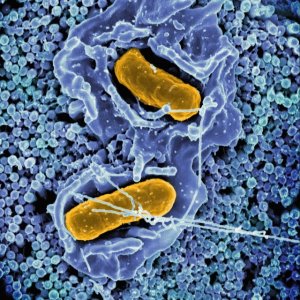
AMR occurs when bacteria, viruses, fungi and parasites stop responding to medicines, which makes infections harder to treat and increases the risks of severe illness and death, warns FAO. “As a result of drug resistance, antibiotics and other antimicrobial medicines become ineffective and infections become increasingly difficult or impossible to treat.” AMR is not unrelated to climatic circumstances and meteorological phenomena. Because many microbes thrive in higher temperatures, climate change is likely to increase the rates of transmission of diseases caused by microbes in human, animal or plants and make those diseases more resistant to treatment.
This represents a great threat to agriculture because livestock and agricultural production require the use of effective medicines. Antimicrobials are used in crops and animal populations to prevent production losses. AMR infections, if they were to arise, could lead to significant losses and the mutation of pests and diseases.
FAO warns that “we may soon reach a tipping point where antimicrobial resistance overtakes heart disease and other lifestyle-associated diseases as the leading cause of death.” Keith Sumption, Chief, FAO Veterinary Service, explains that an estimated 700,000 people currently die each year from causes related to antimicrobial resistance and that that number could skyrocket to 10 million a year by 2050 if no action is taken.
AMR also threatens humans directly by forcing patients to use more costly pharmaceuticals to threaten more dangerous infections. AMR could increase COVID-19-related deaths, as patients could develop secondary infections not responsive to antimicrobials that could complicate their treatment, as previously reported by MBN.
You May Like




Most popular








