Cattle Trade Reopens, Consumption Trends Shift
 By Eliza Galeana | Junior Journalist & Industry Analyst -
Wed, 07/02/2025 - 13:39
By Eliza Galeana | Junior Journalist & Industry Analyst -
Wed, 07/02/2025 - 13:39
Mexico and the US have agreed to begin a phased reopening of live cattle trade on July 7 after a positive review of Mexico’s cattle screwworm control strategy. Meanwhile, a new study suggests that taxing red and processed meats in Mexico could reduce consumption, supporting both public health and climate goals.
This is the Week in Agribusiness!
Mexico, US Agree on Phased Reopening of Cattle Border
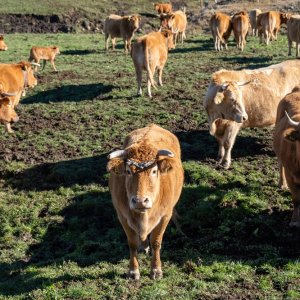
The Ministry of Agriculture (SADER) announced that live cattle trade with the US will resume on July 7 following successful efforts to control the cattle screwworm, praised as a model of bilateral cooperation. New regulations will prohibit the transport of uncertified cattle from affected areas to prevent further spread of the pest. A bilateral technical meeting on July 1 will refine the agreement, aiming to accelerate the trade reopening, which is expected to benefit both Mexican producers and US feedlots.
Mexico Reinforces Beef Sector, Livestock Disease Control
Beef consumption in Mexico has risen 10% over the past decade due to improved social conditions and poverty reduction, according to Agriculture Minister Julio Berdegué. During the International Meat Congress, officials highlighted national efforts to maintain beef self-sufficiency and contain the screwworm outbreak, which now affects only 0.005% of the herd. AMEG, responsible for 75% of national beef supply, praised government collaboration on both health measures and trade with the US.
Meat Tax Could Cut Health, Climate Risks in Mexico
A new study by the University of Edinburgh and Mexico’s INSP suggests that taxing red and processed meats in Mexico could significantly reduce their consumption, improving public health and lowering environmental impact. A 10% tax could cut processed meat demand by 8.3% and red meat by 7.9%, helping address chronic diseases and climate challenges linked to overconsumption. Researchers highlight that lower-income households would benefit most from this measure, especially if revenues fund healthy food subsidies, building on Mexico’s pioneering experience with sugary drink taxes.
Mexico to Guarantee Rural Women’s Land Rights
Mexico’s federal government signed a multi-agency agreement to guarantee rural women’s access to land, aiming to promote gender equality and agrarian justice. As part of the National Itinerant Agrarian Justice Campaign, initiatives like the Caravans for Women in Social Property will provide legal, financial, and psychosocial services to support women in obtaining land rights. Authorities committed to ensuring that 150,000 women are formally recognized as agrarian rights holders by 2030, addressing systemic inequities in land access and strengthening women's roles in food sovereignty.
Organized Food Cargo Theft Rises in Mexico
In 1Q25, food and beverage cargo theft became the most common type of cargo crime in Mexico, accounting for 34% of incidents, with most thefts occurring during transit and involving violence against drivers. These systematic and organized crimes disrupt supply chains, increase operational costs, and contribute to temporary shortages, especially in remote communities. Overhaul and BSI reports warn that rising theft rates pose a global risk to food inflation, urging stronger coordination between authorities, logistics providers, and insurers to mitigate impacts.
You May Like






Most popular