


Droughts and Heat Waves Risk Food Security: CNA
 By Eliza Galeana | Junior Journalist & Industry Analyst -
Tue, 08/15/2023 - 15:48
By Eliza Galeana | Junior Journalist & Industry Analyst -
Tue, 08/15/2023 - 15:48
The National Agricultural Council (CNA) warned that climate change, drought and heat waves have put food security at risk, as they have caused food shortages and an increase in food prices in Mexico and the world. Urgent action is needed to curb further impacts on agri-food supply, say experts.
“Drought and heat waves affect the quality and yields of both seasonal and perennial crops, leading to supply shortages and price increases. Likewise, the lack of water and extreme heat can lead to the premature death of plants and impact the size and quality of the fruits,” said Juan Cortina, President, CNA.
According to an analysis performed by the council, drought has affected more than 1,300 municipalities in Mexico and has delayed the beginning of seedings for the spring-summer cycle. As of July 15, 2023, the percentage of areas with moderate to extreme drought was 43.26%, which reflected a 1.76% year-on-year increase.
INEGI reported that some foods in the basic basket continue to experience rising prices. Corn tortillas, for example, showed a yearly variation of 11.40%, wheat flour had an increase of 9.48%, while sliced bread had an annual rise of 10.8%.
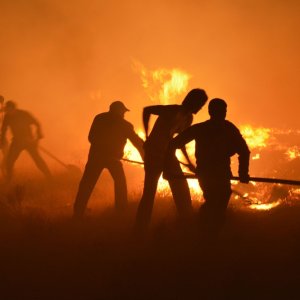
At a global scale, heatwaves have affected North America, Asia and Europe, causing wildfires that impact health, the environment and the economy. Furthermore, climate change has slowed global productivity by 21% since 1960 and up to 40% in some tropical areas, intensifying its adverse effects, explained CNA.
A study conducted by a team of international scientists led by Dr. Aqarab Husnain Gondal, from the University of Faisalabad in Pakistan, revealed that between 1980 and 2015, drought has reduced wheat and corn yields by up to 40% worldwide. Moreover, "each Celsius degree increase results in a 6% loss for global wheat production," reads the study.
Cortina stressed that developed and emerging countries need to take urgent measures to reduce greenhouse gas (GHG) emissions and adapt to the effects of climate change. He pointed out that this could be achieved by supporting sustainable practices in agriculture, developing advanced technologies and educating people on the consequences of climate change.
You May Like







Most popular








