


Food Sovereignty, Innovation Challenges: The Week in Agribusiness
 By Eliza Galeana | Junior Journalist & Industry Analyst -
Fri, 11/08/2024 - 08:05
By Eliza Galeana | Junior Journalist & Industry Analyst -
Fri, 11/08/2024 - 08:05
Mexico's food self-sufficiency fell 5% between 2018 and 2022. This decline challenges the government’s goal to achieve food sovereignty. Meanwhile, Mexican startup Forma Foods is revolutionizing the food industry with its 3D printing plant-based meat technology.
This is the Week in Agribusiness!
Food Sovereignty in Decline: CONEVAL
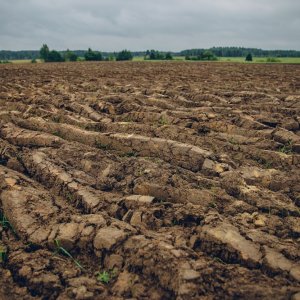
Mexico's food self-sufficiency rate fell from 75% in 2018 to 69.5% in 2022, raising concerns about the country's increasing reliance on food imports and the challenges this poses to achieving food sovereignty, according to CONEVAL's latest report. Rural communities and marginalized groups, including indigenous populations and female-headed households, are particularly affected, with high levels of food insecurity and limited access to essential food items. The new administration aims to address these issues through the National Food Sovereignty Program, focusing on boosting staple food production, promoting sustainable practices, and enhancing food access for vulnerable communities.
Forma Foods: The 3D Print Meat Revolution
Mexican startup Forma Foods developed a 3D printing technology to produce plant-based meat, offering a sustainable alternative that uses a fifth of the resources compared to traditional meat production. This innovative approach, which targets both vegan and environmentally conscious consumers, enables the production of local favorites like arrachera and carne al pastor with precise control over texture and flavor. Backed by investors, Forma Foods plans to expand its retail presence and collaborate with chefs to strengthen its market position and support sustainable food production.
USDA Launches Avian Flu Testing Program in the United States
The USDA will start nationwide testing of raw milk for avian flu in early November, focusing on states with infected dairy cattle and performing preventative tests in unaffected areas. This measure follows farmer and veterinarian concerns over USDA's limited surveillance, as avian flu cases have risen sharply, impacting over 400 dairy herds and spreading to additional species, including a pig in Oregon. While some dairy producers resist testing due to economic concerns, advocates like the American Association of Bovine Practitioners and United Farm Workers call for stricter measures and worker protections to help curb the virus’s spread and ensure timely illness reporting among agricultural workers.
Mexico Authorized to Export Guanabana to the United States
The Ministry of Agriculture and Rural Development (SADER) announced the authorization of guanabana exports from Mexico to the United States, following successful negotiations to ensure a steady supply of vegetable-based food products. The US Department of Agriculture (USDA) confirmed that Mexico’s trained personnel would conduct necessary phytosanitary inspections, allowing guanabana to enter the US with proper certification. This agreement, part of broader discussions that began in August, aims to expand the export of other Mexican agricultural products, boosting trade between the two countries.
SADER Highlights the Importance of Cempasuchil
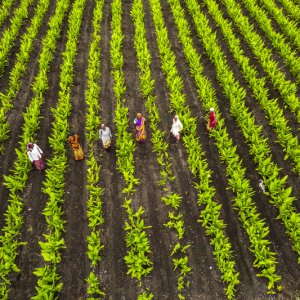
The Ministry of Agriculture and Rural Development (SADER) and the National Lottery introduced a special lottery ticket to celebrate Mexico’s cempasuchil flower producers, spotlighting the flower’s cultural importance for Dia de Muertos and its economic value. This collaboration highlights the contributions of small-scale farmers, especially women, who represent 60% of the workforce in cempasuchil production. Officials emphasized that supporting this industry helps sustain Mexican traditions and local ecosystems, with consumer support crucial to preserving both heritage and agricultural diversity.
You May Like






Most popular








