GMO Corn Ban, Watershed Restoration, and Market Expansions
 By Eliza Galeana | Junior Journalist & Industry Analyst -
Thu, 02/27/2025 - 10:30
By Eliza Galeana | Junior Journalist & Industry Analyst -
Thu, 02/27/2025 - 10:30
The Chamber of Deputies approved President Sheinbaum’s proposal to ban GM corn, aiming to protect native varieties. Meanwhile, Kilimo aims to restore priority watersheds in Mexico through collective action projects.
This is the Week in Agribusiness!
Mexico Moves to Constitutionally Ban GMO Corn
The Chamber of Deputies approved President Claudia Sheinbaum's initiative to constitutionally ban genetically modified (GM) corn cultivation in Mexico, aiming to protect native corn varieties and prioritize food sovereignty, biodiversity, and traditional agricultural practices. The reform, which amends Art. 4 and 27 of the Constitution, faces criticism over potential negative impacts on USMCA trade relations, economic repercussions, and a lack of clear implementation strategies to support farmers. The draft will proceed to the Senate after its expected approval in the Chamber's plenary session, with ongoing debates on balancing biosafety concerns and economic competitiveness.
Kilimo to Restore Key Agricultural Watersheds in Mexico
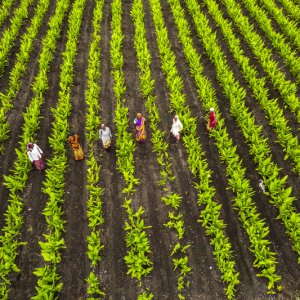
Kilimo's Latidos del Agua initiative seeks to restore Mexico's most stressed agricultural watersheds by 2030 through collective action involving companies, farmers, and organizations to promote sustainable water management. The program focuses on precision irrigation systems to replace inefficient traditional practices, potentially increasing agricultural production by up to 50% while addressing water scarcity, which affects over 70% of the country. Three key projects, Pulso de Agua in northern Mexico, Cinco Aguas in central Mexico, and Caudal Vital in the Lerma watershed, aim to replenish 40 million m³ of water annually, with farmers playing a critical role in ensuring long-term impact.
Mexico's Restaurant Industry Expects Growth Despite Challenges
Mexico's restaurant industry is projected to grow by up to 25% in 2025, driven by increased economic activity and tourism in key cities like Mexico City, Monterrey, Guadalajara, Puebla, and Queretaro, according to CANIRAC. Despite facing challenges such as rising input costs, potential US tariffs, and insecurity, particularly in states like Sinaloa, where 35% of restaurants closed due to safety concerns, the sector continues to perform well, with significant sales boosts during events like Valentine’s Day. The industry remains a crucial contributor to Mexico's economy, generating 3.8 million direct jobs, representing 3.2% of national GDP and 13.4% of tourism GDP.
Trouw Nutrition Opens US$48 Million Animal Feed Plant in QRO
Trouw Nutrition has inaugurated its largest investment in Mexico, a MX$1 billion (US$48.8 million) animal feed plant in Queretaro, boosting production capacity by 100,000t annually. The facility, featuring three specialized production lines and sustainable technologies like solar panels and rainwater collection, generated 150 direct and 400 indirect jobs, benefiting from Queretaro's strategic location for logistics. This new plant strengthens Mexico’s position in the global animal protein market and reflects Dutch confidence in the country’s competitiveness and commitment to sustainable agri-food development.
Bachoco Expands to Asia With First Pork Exports to South Korea
Bachoco has expanded into the Asian market with its first fresh pork exports to South Korea, marking a key milestone in its international growth strategy. The company reported a 5.7% increase in net sales to US$99.34 billion in 2024, driven by operational efficiency and cost optimization, despite a slight rise in production costs. This move builds on Bachoco’s 2022 acquisition of Norson, strengthening its diversification into the pork segment and positioning it to capitalize on South Korea’s growing demand for Mexican pork.
You May Like







Most popular