


Mexico Inflation Hits Five-Year Low in 2025
 By Eliza Galeana | Junior Journalist & Industry Analyst -
Tue, 01/13/2026 - 07:51
By Eliza Galeana | Junior Journalist & Industry Analyst -
Tue, 01/13/2026 - 07:51
Mexico’s inflation slowed more than expected at the end of 2025, driven mainly by falling fruit and vegetable prices that eased non-core inflation, even as food costs and the basic consumption basket continued to rise. According to the National Consumer Price Index (INPC), headline inflation in Mexico closed 2025 at 3.69% year-on-year, below market expectations and lower than the 4.21% recorded in December 2024. This marked its lowest annual variation since 2020, when it stood at 3.15% year-on-year.
Ricardo Aguilar, Chief Economist, Invex, noted that agricultural product prices recorded declines in 12 out of 24 biweekly periods, which allowed non-core inflation (which includes energy and agricultural product prices) to ease, thereby supporting the moderation in headline inflation.
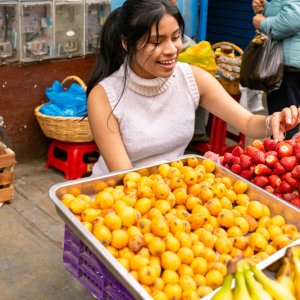
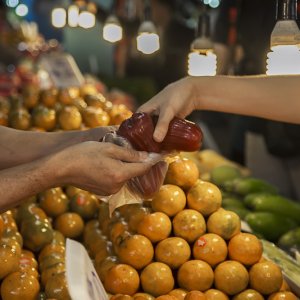
The non-core index rose 1.61% over the year, well below the 5.95% increase seen in 2024. In this context, fruit and vegetable prices accumulated a 5.62% decline over the year, which could be attributed to a recovery in Mexico’s agricultural sector due to a lower incidence of droughts compared to the previous year. Meanwhile, livestock product prices increased by 5.76%, still below the 6.27% rise recorded in 2024. The energy and government-authorized tariffs component rose 0.18%.
Nevertheless, despite these overall trends, some goods posted price increases, according to INEGI. Serrano peppers recorded the largest increase of the year, rising 64.4%, followed by roasted coffee at 27.5%. Other products that saw price increases included fresh chilies at 27.4% (excluding serrano peppers); green tomatoes at 25.9%; instant coffee at 23.9%; beef chops and ribs at 19.3%; beef offal at 19.2%; beef trimmings at 18.4%; beef steak at 17.6%; ground beef at 16.5%; liquid chocolate for beverage preparation at 14.4%; lemons at 13.7%; premium beef cuts at 13.6%; and lettuce and cabbage at 12.2%.
In addition, in December 2025, the prices of food and products that make up the basic consumption basket rose again, marking their fifth consecutive month of increases. On average, the cost of the basic food basket rose 4.4% in urban areas and 3% in rural areas, according to INEGI’s Poverty Lines indicator.
According to the institute’s data, an individual needed MX$4,818.1 (US$268.8) per month to cover basic needs in urban areas, while in rural areas the required spending was MX$3,451.1. The increase in poverty in rural areas is explained mainly by higher costs in the category of food and beverages consumed away from home, which rose 7.3% year-on-year. In cities, pasteurized cow’s milk and beef steak had the greatest impact on the food basket, with annual increases of 9.4% and 17.6%, respectively.
Looking ahead to 2026, analysts estimate that some rebound in prices could be observed due to various factors. According to Bancoppel, tariff-related issues will continue to be a determining factor in inflation dynamics. In July 2025, the United States imposed a 17.09% tax on Mexican tomatoes, affecting local producers. Moreover, Monex highlights that the impact of tariffs could be particularly high for countries with which Mexico does not have a free trade agreement, such as China.
Banamex’s analysis team also anticipates a rebound in annual inflation at the beginning of this year as a result of the effects of tax increases that came into force on Jan. 1. The excise tax (IEPS) on soft drinks and sugary beverages, such as juices, will increase from MX$1.6/L to MX$3.8/L. Beverages with artificial sweeteners, such as diet and zero-calorie soft drinks, will for the first time be subject to an IEPS of MX$1.5/L. Oral rehydration solutions that do not meet World Health Organization (WHO) specifications will be subject to an IEPS of MX$3.0/L, while the tax per cigarette will rise from MX$0.6 to MX$0.8 per cigarette.
You May Like






Most popular








