

Saskatchewan, Mexico Ally to Promote a Greener Future



STORY INLINE POST






 By Fernando Mares | Journalist & Industry Analyst -
Mon, 10/02/2023 - 09:23
By Fernando Mares | Journalist & Industry Analyst -
Mon, 10/02/2023 - 09:23
Q: How have trade relations between Saskatchewan and Mexico evolved and grown, specifically within the agricultural sector, in recent years?
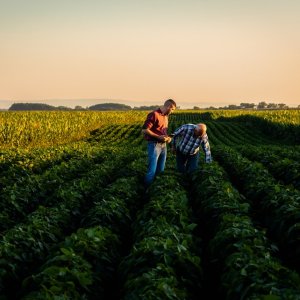
A: Saskatchewan, boasting over 40% of Canada's arable land, has made significant strides in cultivating a sustainable agricultural sector. Over 95% of our farmland adheres to the principles of zero-tail or minimum-tail agriculture, emphasizing environmental stewardship. Our commitment to sustainability extends to the quantification of our carbon footprint in crop production.
Mexico is a pivotal partner for Saskatchewan. Over the past five years, trade with Mexico has surged from over CAD$500 million (US$370.9 million) to over CAD$1 billion (US$741.7 million) in 2022. The grain sector, particularly grains and oilseeds, plays a crucial role. Buyers have expressed a keen interest in sustainability, driven by inquiries from their clients. Saskatchewan has taken proactive steps to quantify and validate our sustainability efforts, garnering attention from prominent companies.
Recent discussions with Canadian Pacific Kansas City Limited (CPKCS) representatives shed light on opportunities for Saskatchewan's exporters. These discussions led to a direct route from western Canada to Mexico in just 14 days, exemplifying our commitment to overcoming logistics challenges. Exploring efficient transportation is a priority. In essence, our goal is to strengthen relationships and cultivate export opportunities to Mexico. By intertwining sustainability practices, trade growth and logistics enhancements, Saskatchewan is poised for continued success in the agricultural sector.
Q: What was the main driver of increased trade between Saskatchewan and Mexico? What other industries are interesting for the Mexican market?
A: Trade of canola and its by-products, such as canola seed and canola oil, is experiencing a notable increase. Wheat, non-durum wheat and oats are also increasingly making their way into the Mexican market. This diversification signifies a growing interest in various agricultural products but there is more interest in canola-related items.
Beyond agriculture, Saskatchewan stands out as Canada’s top mining investment destination and the second destination globally. Efforts are focused on facilitating smooth operations for the mining industry, capitalizing on Saskatchewan's status as the world's leading producer of uranium and potash. Furthermore, it is the second-largest oil-producing province in Canada and boasts a significant lumber supply, primarily transported through railways.
Promising opportunities have emerged after recent discussions with industry stakeholders in Mexico. Saskatchewan anticipates opening the first net-zero copper mine in Northeast Saskatchewan. The province has 23 of the 30 rare earth elements, with the Saskatchewan Research Council managing the only processing plant for rare earth elements outside of China. This unique position creates substantial opportunities and has drawn interest from the mining sector.
Q: What were the reasons behind opening a trade office in Mexico about a year ago?
A: Acknowledging the importance of strategic growth, we reached out to our major trading partners. To enhance business prospects, we established a local presence with dedicated personnel. This initiative serves dual purposes: supporting Saskatchewan companies seeking expansion while also assisting Mexican companies in exploring opportunities beyond their borders.
The emphasis is on reciprocal engagement. It is not just about importing from or exporting to Mexico; it is about fostering a comprehensive understanding of each other's goals and values. Our aim is to open doors and facilitate a robust, two-way exchange for the benefit of both Saskatchewan and Mexico.
Q: How do you perceive the future growth of trade relations between Saskatchewan and Mexico? What factors are influencing companies' decisions in choosing trading partners?
A: I foresee continued growth. Companies in Mexico are keenly interested in Saskatchewan’s mining and agriculture. The global mindset shifted during the pandemic, prioritizing food security. Companies now seek reliable sources, especially considering the uncertainties like the Russia-Ukraine war. Stability in the economy and government, coupled with consistent supply, has become paramount and Canada and Saskatchewan comply with such requirements. Many companies express a preference for doing business where these factors align, indicating a trend toward regionalization of food security with a North American approach.
The agriculture industry operates seamlessly across borders. Agricultural commodities flow effortlessly, responding to industry and public sector demand. This integration extends across Canada, the US and Mexico. This collaborative relationship is reflected in the efforts of companies in Mexico to strengthen trade, necessitating a reliable supply source.
Q: What technological expertise can Saskatchewan offer to countries like Mexico?
A: In our recent discussion with trade commissioners from Chile, Mexico and Colombia, we delved into Saskatchewan's expertise in agricultural equipment. Saskatchewan’s agricultural equipment industry is large but that does not limit innovation. For example, a Saskatchewan company is entering into a deal with India to produce 1,000 precision seed drills, each no wider than 10ft. These drills, designed for smaller farmers with lower horsepower, go beyond conventional drilling. They precisely place seeds and fertilizers without disturbing the soil, a crucial factor in minimizing the sector’s carbon footprint. We export this technology to 30 countries worldwide.
Our plan, through the Saskatchewan trade office in Mexico, is to foster relationships between companies possessing this technology and the trade commissioners from various countries. This collaboration aims to facilitate connections with producers who can benefit from this expertise. Saskatchewan has a rich history of innovation in agriculture, with globally-renowned inventions like the air seeder originating in the province. We can effectively collaborate with countries like Mexico, tailoring technology to the unique needs of smaller farms.
Q: How is Saskatchewan enhancing its agricultural practices to fight climate change? How is this phenomenon affecting the region?
A: While parts of the southwest and west-central areas experienced droughts this year, the rest has reported favorable conditions but that does not mean we should not take action. To offset the potential impact of agriculture, we employ continuous seeding and prioritize crop rotation. A significant focus is our research on the "Four Rs" of fertilizer: right place, right time, right amount and right rate.
After extensive research, we can now quantify our carbon footprint. For example, the carbon footprint of growing 1t of canola in Saskatchewan is 60% better than any other jurisdiction globally. Our footprint growing cereal grains is over 60% better than the global average, while our footprint for yellow peas is over 90% better. The data collected from farmers, along with the measurement of carbon in the soil, is crucial in showcasing our sustainable practices. These quantifiable results resonate with consumers and companies alike, providing scientific evidence of our commitment to sustainability.
According to the National Inventory Report of 2023, Saskatchewan producers capture about 15.6 million t of carbon per year on average. This constitutes nearly 95% of the total reported agricultural emissions in the province and is the equivalent of removing 3.4 million cars from circulation each year. For 40 years, Saskatchewan has been at the forefront of climate-conscious agriculture. However, the challenge arises as climate change policies often prioritize actions from the present onward. This means that even if Saskatchewan companies contribute significantly, such as selling 1,000 drills to India to reduce their carbon footprint, the efforts our farmers have made for the past four decades will not be duly recognized. Despite this, some companies are acknowledging and appreciating our initiatives. We hope that the rest of the world will also recognize and appreciate the long-standing commitment to sustainable agriculture that Saskatchewan has consistently demonstrated.
Saskatchewan is one of Canada’s 10 provinces and three territories. Located in the central part of the country, Saskatchewan's economy is deeply rooted in the agriculture, mining and energy sectors. It is a leading global producer of wheat, canola, potash and uranium.
You May Like



Most popular








