


Trade Shifts, Plant Health Gains, and Aid Delays
 By Eliza Galeana | Junior Journalist & Industry Analyst -
Thu, 05/22/2025 - 10:23
By Eliza Galeana | Junior Journalist & Industry Analyst -
Thu, 05/22/2025 - 10:23
Cattle exports to the US fell 41% in 1Q25, amid a US import halt over concerns about the spread of screwworm in Mexico. Meanwhile, Mexico suspended poultry imports from Brazil after confirming cases of the H5N1 avian influenza in the South American country.
This is the Week in Agribusiness!
Mexican Cattle Exports to the US Down 41% in 1Q25
Mexico's livestock exports dropped by 41% in 1Q25 compared to the same period in 2024, reports SENASICA, largely due to a US suspension on live cattle imports over concerns about the spread of the new world screwworm (NWS). The USDA APHIS implemented the suspension on May 11, 2025, while both countries work to strengthen surveillance and control efforts. Beef exports have also declined, with a 6% year-to-date decrease reported by GCMA.
Mexico Suspends Poultry Imports From Brazil Over H5N1 Concerns
SADER suspended poultry imports from Brazil following confirmation of the Highly Pathogenic Avian Influenza (H5N1) virus, aiming to protect national poultry production from zoonotic risks. The suspension, enforced by SENASICA, covers a wide range of poultry products and will remain until Brazil provides sufficient zoosanitary information on outbreak control. Brazilian authorities are actively responding with culling, disinfection, and property inspections, while investigations into additional suspected cases are ongoing.
Mexico Reinforces Plant Health Leadership Amid Global Challenges
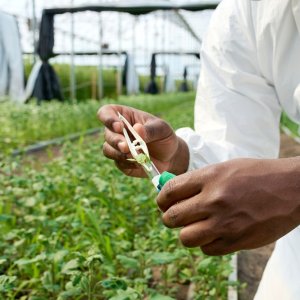
Mexico is reinforcing its global leadership in plant health through science-based, preventive systems to safeguard crops and ensure food security, according to SENASICA officials during the International Day of Plant Health. Key strategies include raising awareness of plant health's role in food sovereignty, implementing the One Health approach, and enhancing phytosanitary campaigns to combat pests and diseases. These efforts are vital in the face of global threats like climate change and aim to support sustainable agriculture and rural development.
Global Food Aid Delayed by USAID Funding Cuts
Over 66,000t of US-sourced food aid, enough to feed 3.5 million people for a month, are rotting in warehouses due to cuts to USAID’s global assistance programs initiated during the Trump administration. Valued at over US$98 million, the aid is stranded across four global warehouses as funding and contracts for distribution remain frozen. Without swift action, much of the food, including life-saving supplies for malnourished children, is at risk of expiring or being destroyed.
CDMX, CANIRAC to Regulate Restaurant Inspections
CANIRAC and the Mexico City government will sign an agreement to standardize restaurant inspections and suspensions, aiming to eliminate discretion, improve transparency, and protect both businesses and consumers. The agreement responds to growing legal uncertainty caused by inconsistent enforcement and includes unified criteria, official protocols, and training for regulatory compliance. It also promotes self-regulation and consumer rights, seeking to support the restaurant industry's growth, job preservation, and fair treatment across the capital's 65,000 establishments.
You May Like






Most popular








