BP to Sell 65% of Castrol to Stonepeak for US$10 Billion
BP has agreed to sell a 65% stake in its Castrol lubricants unit to US investment firm Stonepeak at an enterprise value of US$10 billion. The move is part of BP’s broader US$20 billion divestment program aimed at reducing debt and streamlining its operations, with net proceeds of approximately US$6 billion earmarked to lower BP’s net debt.
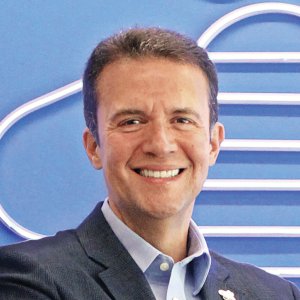
Carol Howle, Interim CEO, BP, described the sale as “a very good outcome for all stakeholders,” emphasizing that the transaction follows a comprehensive strategic review of Castrol and forms a key milestone in BP’s reset strategy. “The sale marks an important milestone in the ongoing delivery of our reset strategy. We are reducing complexity, focusing the downstream on our leading integrated businesses, and accelerating delivery of our plan,” she said.
The agreement will result in the formation of a new joint venture, with Stonepeak holding 65% and BP retaining a 35% stake. BP’s retained interest allows it to maintain exposure to Castrol’s growth plan while keeping the option to sell its stake after a two-year lock-up period. The transaction includes minority interests in Castrol’s operations in India, Vietnam, Saudi Arabia, Thailand, and other jurisdictions.
Anthony Borreca, Senior Managing Director, Stonepeak, highlighted the strategic value of Castrol’s portfolio, through the press release. “Lubricants are a mission-critical product, which are essential to the safe and efficient functioning of virtually every vehicle, machine, and industrial process in the world. Castrol’s 126-year heritage has created a leading market position, an iconic brand, and a portfolio of differentiated products that deliver meaningful value to its customers,” he said.
The transaction values Castrol at US$10.1 billion, with an implied EV/LTM EBITDA multiple of approximately 8.6x. It is expected to generate total net proceeds of about US$6 billion for BP, including US$0.8 billion for accelerated dividend payments on the retained stake. After accounting for minority interests and other obligations, the implied total equity value of Castrol stands at US$8 billion.
BP intends to allocate all proceeds from the sale to reducing net debt, which stood at US$26.1 billion at the end of 3Q25, writes EL Economista. The company has a target to bring net debt down to between US$14 billion and US$18 billion by the end of 2027. To date, completed and announced divestments from BP’s US$20 billion program total approximately US$11 billion.
The sale of Castrol comes as BP has focused on simplifying its portfolio and improving returns amid a broader strategic shift back toward its core oil and gas operations. Earlier this year, BP placed Castrol under review as part of a strategy to rationalize its business and improve cash flow generation. The company has also announced leadership changes, including the appointment of Meg O’Neill as CEO, starting April 2026, to enhance operational performance and shareholder returns.
The transaction is expected to close by the end of 2026, subject to regulatory approvals. Following completion, BP will account for its retained stake in Castrol as an equity investment and does not expect to receive earnings or dividends from it in the short to medium term. Stonepeak has a preference on distributions from the joint venture.
Stonepeak will receive operational support and guidance from BP as part of the joint venture. Canada Pension Plan Investment Board will also invest up to US$1.05 billion in the transaction, acquiring an indirect interest in Castrol.
The sale of Castrol represents BP’s largest single divestment in recent years and is part of a strategic push to strengthen its balance sheet, reduce complexity, and prioritize its integrated downstream businesses. The deal positions BP to benefit from Castrol’s growth while maintaining optionality to realize additional value from its retained stake in the future.


Most popular