


Quantify Cyber Risk and Optimize Cybersecurity Investments
 By Óscar Goytia | Journalist & Industry Analyst -
Wed, 04/24/2024 - 14:07
By Óscar Goytia | Journalist & Industry Analyst -
Wed, 04/24/2024 - 14:07
Quantifying cyber risk is a critical process for companies of all sizes, enabling them to gain a deeper understanding and effectively manage exposure to potential adverse events impacting their operations, finances, and reputation. Methods like qualitative and quantitative analysis, the FAIR (Factor Analysis of Information Risk) framework, and specialized tools have streamlined this process, ensuring operational integrity.
In an era of rapid digitization, companies confront escalating cyber threats that jeopardize critical assets, financial well-being, and customer trust. Without a clear grasp and efficient management of these risks, organizations face substantial financial losses, reputational harm, and diminished competitive edge.
According to a survey conducted by Accenture, 68% of companies do not have a system in place to quantify cyber risks. In addition, a study by HISCOX revealed that 72% of cybersecurity decision-makers do not have a complete view of risk within their organizations. Responding to this need, Netrum, in collaboration with CISOs and CIOs, proposes the implementation of SITA, a platform designed to revolutionize the understanding and management of cyber risk.
SITA provides CISOs with a powerful tool to determine appropriate security investments," explains Juan Carlos Cortés, Senior Sales Consultant, Netrum. "This helps strike the optimal balance between risk objectives and budgetary needs."
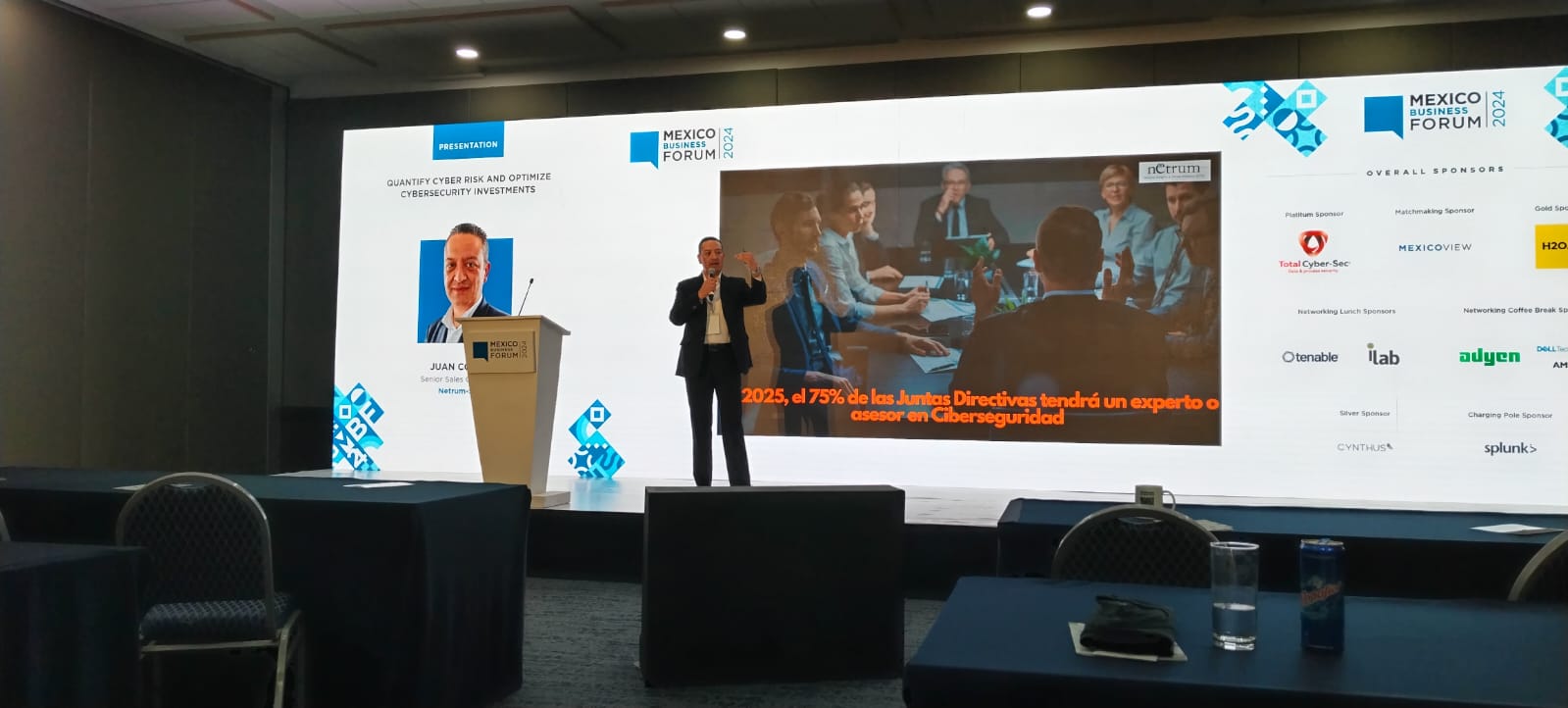
SITA offers two primary approaches: Professional and Enterprise. The former delivers insights and security operation reports, while the latter features a patented model based on best practices but simplified for organizational use.
"The initial approach focuses on asset identification, pinpointing inherent risk points based on the asset, its vulnerabilities, internal or external threats, and the threat landscape," elaborates Cortés.
Moreover, SITA addresses risk beyond assets by managing risks associated with human errors and misuse within the organization. The platform not only scrutinizes digital infrastructure but also considers the human element, a significant cybersecurity vulnerability. It assesses staff behavior and potential failures in internal processes.
"We can gauge user contribution to estimated asset risk levels through 40 to 45 questions. This allows us to reduce risk effectively," notes Cortés.
Additionally, the platform facilitates estimating the return on investment for each implemented control point, making it comprehensible for management and illustrating the benefits of cybersecurity investment.
While implementing SITA presents challenges like integration into existing enterprise systems and staff training, its adoption is anticipated to become standard practice for companies aiming to safeguard their assets in an increasingly complex and menacing digital landscape.
You May Like








Most popular








