

Energy Geopolitics: How Does It Affect Global Development?



STORY INLINE POST





 By Yolanda Villegas | Legal Director -
Thu, 04/17/2025 - 06:00
By Yolanda Villegas | Legal Director -
Thu, 04/17/2025 - 06:00
Energy has historically been one of the most decisive resources in shaping global order. From oil wars to strategic alliances around natural gas, energy geopolitics reveals how countries exert influence, negotiate, and compete based on the access, production, and control of energy sources. As such, supply security becomes a priority for governments, which seek to ensure reliable and immediate access to energy.
The conflict between Russia and Ukraine in 2022 marked a turning point for the European Union. Deeply dependent on Russian gas, the EU was forced to reroute its energy supply in record time. This situation exposed the fragility of the global energy system in the face of geopolitical events. Since then, concepts such as energy resilience, source diversification, and energy autonomy have gained strength in energy policy discussions around the world.
Although Russia remains a key player due to its abundant reserves of natural gas and oil, international sanctions have reshaped its network of buyers, strengthening its relations with Asian countries, such as China and India. Despite European efforts to reduce dependence on Russian gas, in 2024 imports by the European Union increased by 18%, rising from 38 bcm (billion cubic meters) to 45 bcm.
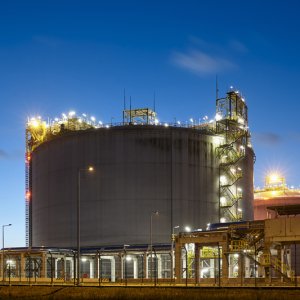
The United States, for its part, has strengthened its role as a global exporter of liquefied natural gas (LNG). In 2024, US LNG exports reached 11.9 billion cubic feet per day, consolidating the country as the world’s leading LNG exporter.
China is emerging with a dual strategy: securing fossil fuel supplies while leading in the production of renewable technologies, batteries, and critical energy infrastructure. In 2024, China added approximately 277GW of new solar capacity, representing a 28% increase compared to the previous year, cementing its position as the world leader in solar energy.
It is important to note that this scenario is not new. Throughout history, energy has been used as a tool of pressure or power. Today, countries such as Russia, the United States, China, and members of OPEC set global trends through their resources, technologies, or infrastructure.
The concept of energy security has evolved. It is no longer just about access to hydrocarbons but about ensuring a diversified and interconnected system. Renewable energy sources offer a historic opportunity to reduce dependence on geographically concentrated fossil fuels, but they also bring new challenges, raising questions that will undoubtedly spark debate in the coming years: Who controls the technology? Where are the minerals processed? Who defines the rules of the new energy market, and how?
Countries such as Germany, France, and Japan have launched green hydrogen and energy storage strategies not only as climate solutions, but as long-term strategic decisions. These nations understand that energy is a matter of national sovereignty.
Latin America has enormous potential in this new era: it has abundant renewable resources, reserves of strategic minerals, and experience in the energy industry. In fact, in 2024, energy investment in Latin America and the Caribbean reached S$185 billion, with over 35% allocated to the electricity sector and nearly 55% to fossil fuel supply.
However, the region faces major challenges that must be addressed to establish itself as an energy powerhouse. Political instability, lack of infrastructure, technological dependence, and weak regulatory frameworks are just a few examples. Countries such as Brazil and Chile are leading the energy transition in the region, with significant investments in renewable energy and policies that promote sustainable development.
Energy is not merely an economic element, it is a factor that defines the balance of global power. Energy geopolitics is being reshaped around new technologies, emerging resources, and changing political landscapes. Thus, supply security must be understood as a dynamic strategy, combining innovation, diplomacy, and long-term vision. The challenge for countries is to find the balance between leveraging their resources, safeguarding their sovereignty, and contributing to the global energy transition.
You May Like
Most popular





