


PAHO Calls for Stronger Financial Protection in the Americas
The Pan American Health Organization (PAHO) urges governments across the Americas to strengthen public investment and financial protection mechanisms, warning that rising out-of-pocket spending continues to place economic pressure on households. The call, issued in the context of Universal Health Day, follows new global data that highlights limited progress in reducing health-related financial hardship in the region.
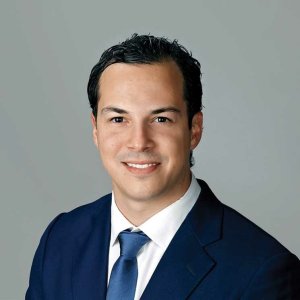
The region is at a critical point, says Jarbas Barbosa, Director, PAHO. “The payment of health expenses directly from people’s pockets continues to push millions toward poverty,” says Barbosa. “No one should have to choose between their health and their basic needs.” His remarks reflect ongoing concern about the high share of health expenditure absorbed by households, particularly for medicines and treatments, and the risks this poses for access to essential services.
According to the 2025 Global Monitoring Report on Universal Health Coverage, published by the World Health Organization (WHO) and the World Bank, the Americas recorded one of the smallest reductions in health inequalities over the last decade. Despite a global drop in the share of people facing financial hardship due to medical expenses — from 34% to 26% between 2000 and 2022 — the burden remains concentrated among the poorest households. Globally, the report estimates that 2.1 billion people encounter financial difficulty when seeking medical care, including 1.6 billion who fall into poverty as a direct result of health spending.
In the Americas, reliance on out-of-pocket payments remains high. Nearly one-third of total health expenditure in the region comes directly from household budgets, far above the recommended ceiling of 20%. This level of private spending increases vulnerability among families, especially those with limited income, and limits the feasibility of universal access to health services. Although public financing accounts for more than half of all health spending, it has not expanded at the rate needed to reduce household exposure to medical expenses.
Regional investment patterns also reflect long-standing challenges. In 2023, total health expenditure in Latin America and the Caribbean averaged 6.6% of GDP, equivalent to roughly US$778 per capita. Public spending represented a significant portion of this total, yet it remained insufficient to meet regional goals. PAHO notes that public health spending fell back to 3.7% of GDP in 2023, the same level recorded before the COVID-19 pandemic and well below the regional commitment of 6%. This decline occurred in a context of low economic growth and fiscal pressures that constrained governments’ capacity to expand health budgets.
The organization argues that the structure of health systems in the Americas requires a sustained public investment strategy, particularly in primary care. Barbosa says that a system centered on integrated, community-oriented services can reduce inequalities and strengthen resilience, especially during periods of economic stress. He adds that fiscal prioritization, defined as the proportion of public resources allocated to health, depends not only on a country’s economic capacity but also on political decision-making. Some governments with higher fiscal space dedicate relatively little to health, while others with limited resources allocate a higher share to ensure service continuity.
PAHO’s statement points to a broader concern: without changes in health financing frameworks, the region risks worsening inequality and limiting progress toward universal health coverage. High out-of-pocket costs continue to shape how families seek care, influencing decisions such as delaying treatment or avoiding preventive services. These patterns may increase long-term costs to health systems and affect population health outcomes.
Universal Health Day, observed globally as Universal Health Coverage Day on Dec. 12, serves as a reminder that access to health services should not generate financial hardship or force households to choose between essential needs such as food or housing and medical care. This year’s campaign stresses the urgency of reforming health financing systems to reduce the direct burden borne by families, moving countries closer to the goal of universal, equitable access to health services.
PAHO calls on governments to reinforce public investment, strengthen primary care networks, and adopt financial protection measures that can reduce the region’s reliance on household spending. The organization emphasizes that these changes are central to building fair and inclusive systems capable of supporting population needs and achieving universal health.
You May Like







Most popular








