


Personalized mRNA Melanoma Cancer Vaccine Enters Phase 3 Trial
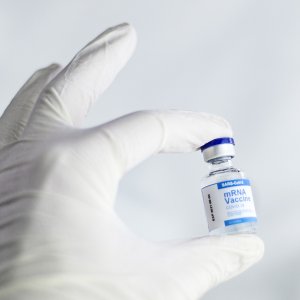
The University College London Hospitals NHS Foundation Trust (UCLH) is spearheading trials for a personalized mRNA cancer vaccine aimed at combating melanoma. The vaccine, known as mRNA-4157 (V940), is engineered to the unique genetic profile of each patient's tumor. By harnessing the body's immune system, this therapy holds immense potential to revolutionize melanoma treatment, offering hope to patients and pushing the boundaries of cancer immunotherapy.
Melanoma, responsible for approximately 132,000 deaths annually worldwide, states the Guardian. Thus, underscoring the urgent need for enhanced treatment options. Traditional therapies, such as surgery, radiotherapy, medications, and chemotherapy, are commonly employed but may not fully address the complexity of the disease. In recognition of this limitation, researchers have developed mRNA-4157 (V940), a treatment that targets unique DNA markers, called neoantigens, found only in a patient's tumor cells. Doctors extract a tumor sample, then utilize DNA sequencing and artificial intelligence (AI) to create a customized vaccine for each patient.
“This is very much an individualized therapy and it is far cleverer in some senses than a vaccine,” said Heather Shaw, Medical Oncologist, UCLH. “It is absolutely custom-built for the patient – you could not give this to the next patient in the line because you would not expect it to work,” said Shaw.
Phase 3 trials, building on promising phase 2 results, aim to enroll approximately 1,100 participants globally, expanding the scope to include a broader patient demographic. Notably, phase 2 trials showed a significant reduction in cancer recurrence risk among high-risk melanoma patients who received the vaccine alongside immunotherapy. In these trials, patients received 1mg of the mRNA vaccine every three weeks for a maximum of nine doses, in addition to 200mg of Keytruda every three weeks for about a year (with a maximum of 18 doses).
The ultimate goal remains to achieve a permanent cure for cancer. In the UK, eight centers across London, Manchester, Edinburgh, and Leeds will participate, with a target of 60 to 70 patients. With patients eagerly anticipating the potential of this groundbreaking therapy, the trial represents a pivotal moment in the advancement of immunotherapy.
Most popular








