


China Launches Zero-Carbon Steel Line
 By Fernando Mares | Journalist & Industry Analyst -
Thu, 01/01/2026 - 06:00
By Fernando Mares | Journalist & Industry Analyst -
Thu, 01/01/2026 - 06:00
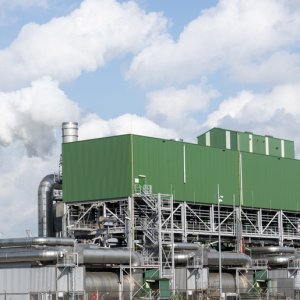
China's first million-ton-level near-zero carbon steel production line became fully operational in Zhanjiang, Guangdong. Operated by a subsidiary of Baosteel, the facility utilizes hydrogen-based technologies to reduce reliance on fossil fuels in the steel manufacturing process.
The production line comprises a hydrogen-based shaft furnace with an annual capacity of 1Mt, an electric furnace, and a continuous casting line. The project utilizes hydrogen metallurgy and electric smelting, substituting hydrogen for traditional coke in the smelting process, reports Xinhua News.
Operational data indicate that the line has validated high-hydrogen smelting conditions, with the metallization rate of direct reduced iron (DRI) meeting projected targets. The facility will primarily use DRI and scrap steel as raw materials to produce low-carbon slabs, which are then processed into finished steel products using existing rolling facilities.
Project estimates suggest the line will achieve a carbon reduction of 50% to 80% compared to conventional steel production methods. Project leader Wang Hongliang stated that the facility is expected to cut carbon emissions by more than 3.14Mt/y.
Why Reduce Steel’s GHG Emissions?
Steel is a foundational material for the modern global economy, critical to sectors ranging from automotive manufacturing and infrastructure to daily consumer goods. However, its traditional production methods are among the world's largest industrial sources of carbon emissions. The steel industry currently accounts for approximately 8% of global greenhouse gas (GHG) emissions, making it one of the most carbon-intensive sectors worldwide.
While Baosteel’s process remains significant for primary steel production, other alternatives to decarbonize the sector focus on secondary steelmaking. This method utilizes Electric Arc Furnaces (EAF) to melt recycled steel scrap rather than processing raw iron ore. Because EAF technology runs on electricity, it allows producers to bypass the carbon-intensive chemical reduction stage entirely and focus on sourcing energy from clean sources. However, according to DNV, global steel production is not enough to supply the required scrap for these processes.
Mexican Steel’s Efforts to Lower Environmental Impact
According to the National Chamber of the Iron and Steel Industry (CANACERO), Mexico’s steel industry generates 48% fewer emissions per ton than the global average, emitting just 1tCO₂/t compared to the world average of 1.92 tCO₂/t. This efficiency is driven by the country's production structure, where 93.5% of Mexican steel is produced via EAF. In 2023, the industry recycled 10.9Mt of steel and utilized 3.1Mt of byproducts in other processes.
CANACERO data also highlights significant gains in resource efficiency over the last decade. The sector uses 48% less energy per ton than the global average, 11GJ/t versus 21.27GJ/t, and has reduced coke and coal consumption by 77%. Additionally, water stewardship has improved, with consumption per ton dropping by 38%, and treated wastewater now accounting for 18% of the industry's total supply.
You May Like





Most popular








