


China’s Zijin Mining Becomes World’s Third Largest Miner
 By Fernando Mares | Journalist & Industry Analyst -
Mon, 09/29/2025 - 09:15
By Fernando Mares | Journalist & Industry Analyst -
Mon, 09/29/2025 - 09:15
China-based Zijin Mining Group has become the world’s third-largest mining company by value after its market capitalization surpassed US$100 billion for the first time. The milestone places Zijin alongside global industry leaders BHP and Rio Tinto.
On Sept. 25, 2025, a record high for Zijin’s Shanghai-listed shares lifted its total market capitalization to US$103 billion. With this valuation, Zijin moved into the third position globally, ahead of Glencore, which had a market capitalization of about US$53 billion. BHP and Rio Tinto, the top two miners, closed the session with market values of US$140 billion and US$111 billion, respectively, reports Mining.com.
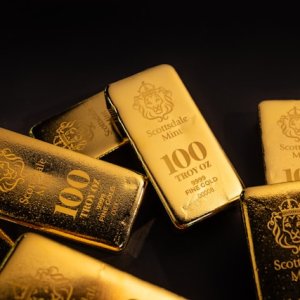
The company's increase in valuation is supported by its recent financial performance. Revenue for 1H25 grew by 11.5% to US$23.6 billion, driven by higher metal prices and increased production. According to the company's report, its overall gross profit margin for mineral products increased by three percentage points year-on-year to 60.23%. A breakdown by commodity shows that mined gold now contributes 38.6% of the company’s gross profit, nearly matching the 38.5% contribution from copper.
On July 31, 2025, Zijin ranked 365th among Fortune Global 500’s ranking by revenue. The company held the 209th position in terms of profits, becoming the fourth-largest company globally and the largest among Chinese metal miners. Notably, Zijin Mining achieved the highest return on assets (ROA) in the global metals and mining sector.
Zijin’s Perception of the Global Environment for Mining
Founded in the 1980s from a single gold mine in China, Zijin has grown into a global operator through a series of international acquisitions, including Serbia’s largest copper mine and Ghana’s Akyem gold mine.
This global expansion is occurring within a challenging international environment for the mining industry, which the company notes is marked by escalating geopolitical turmoil, rising resource nationalism, and frequent supply chain disruptions.
According to the company's analysis, miners are also facing declining ore grades and rising operational costs. Against this backdrop, gold prices surged 27% in 1H25, driven by strong safe-haven demand and increased buying from global central banks. Demand for copper has also increased due to the energy transition, though zinc prices have been generally stable, and lithium has seen weaker price performance on oversupply expectations.
You May Like


Most popular








