


Mexico Holds First National Social Economy Meeting
 By Paloma Duran | Journalist and Industry Analyst -
Tue, 08/05/2025 - 10:34
By Paloma Duran | Journalist and Industry Analyst -
Tue, 08/05/2025 - 10:34
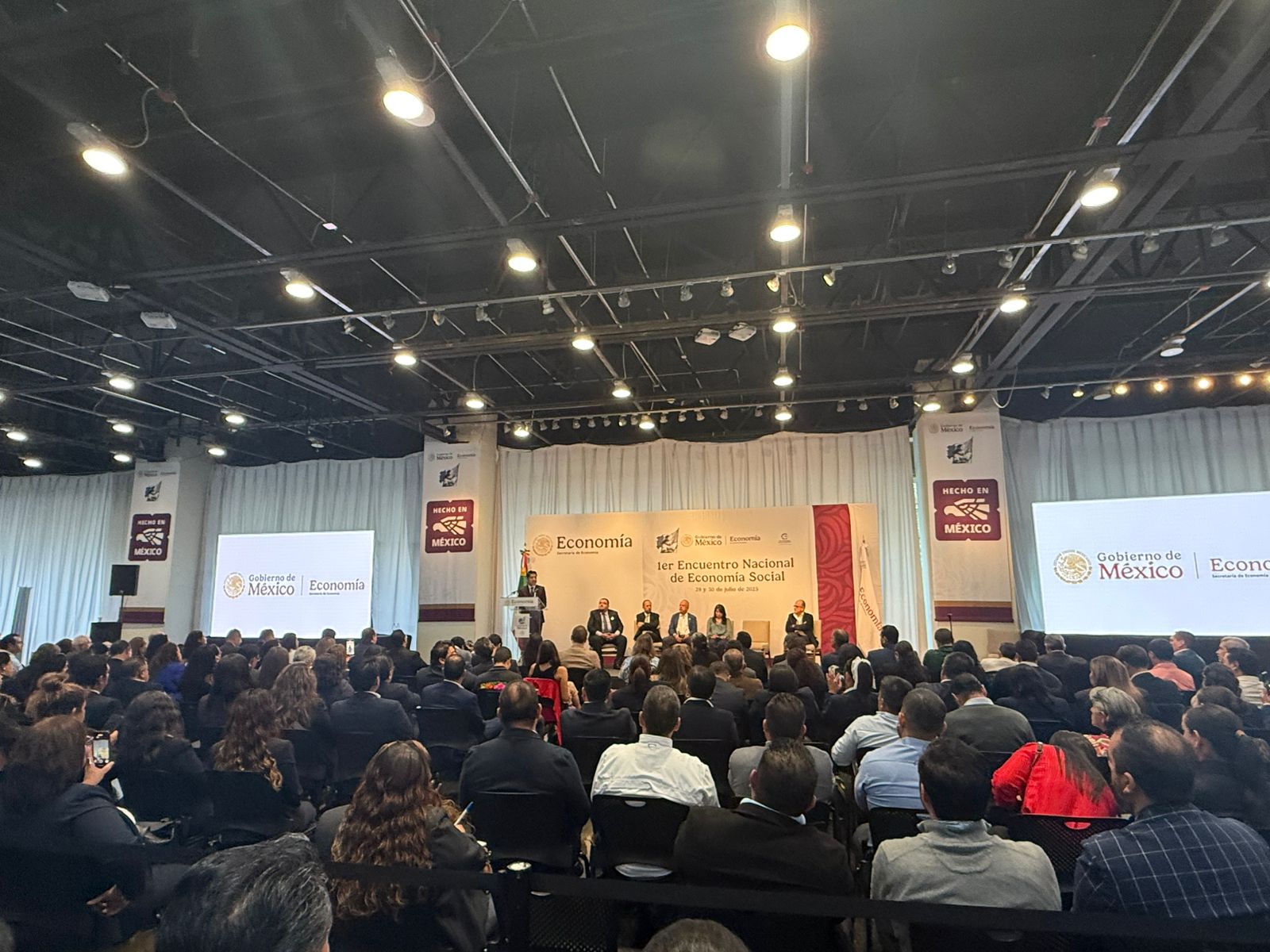
Mexico recently held its first National Social Economy Meeting, convening government officials, cooperative leaders, and financial authorities to emphasize the role of cooperatives in advancing inclusive economic development. Led by Minister of Economy Marcelo Ebrard, the event reflected a growing institutional focus on the social and solidarity economy, with particular attention to female-led initiatives and grassroots financing.
The forum gathered 90 cooperatives and social enterprises from 21 states, including 41 certified under the “Made in Mexico” label. Ebrard highlighted the importance of strengthening cooperative structures and announced that the Ministry will step up efforts to implement targeted public policies supporting this sector.
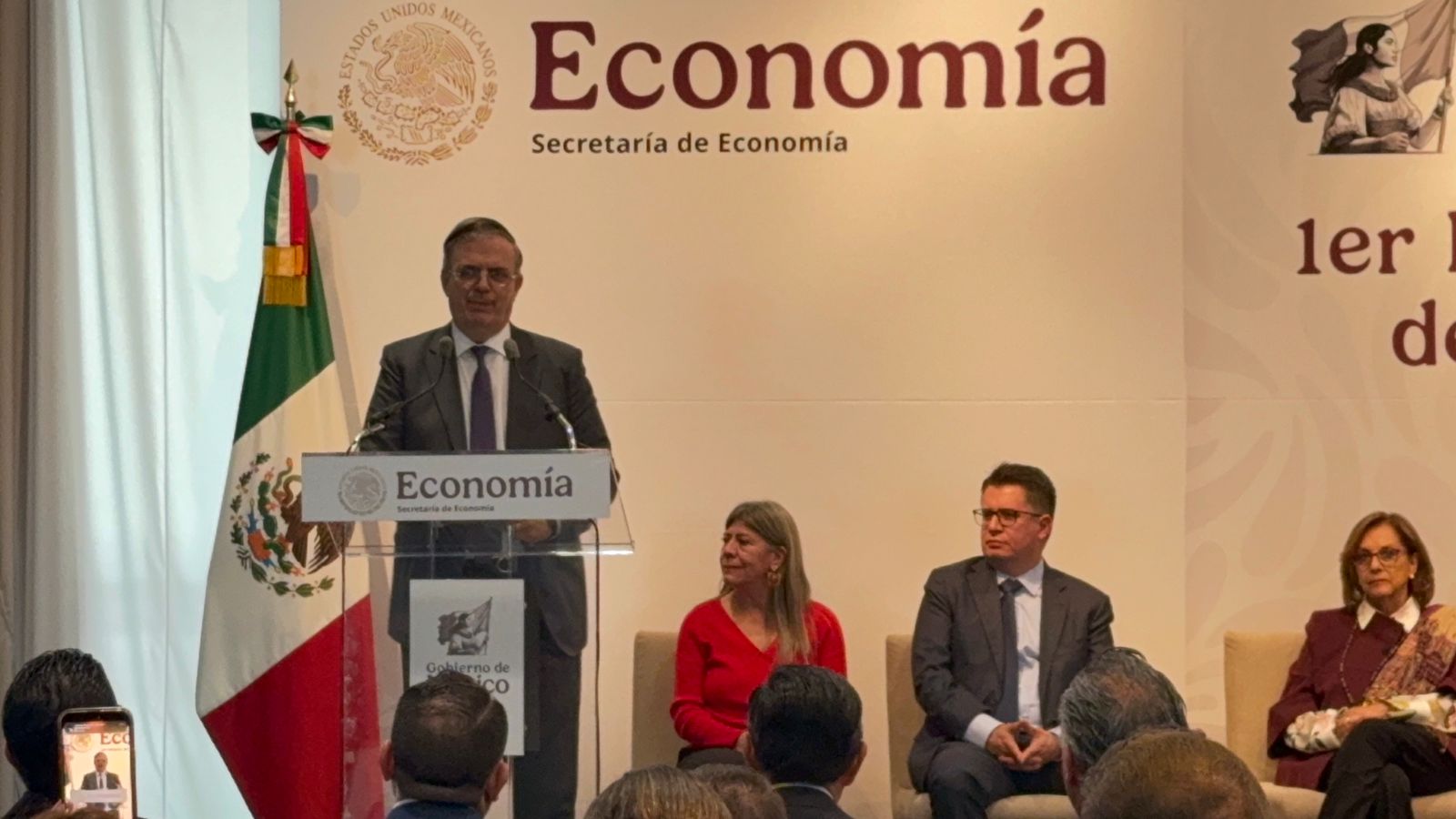
The meeting addressed longstanding demands from the social economy community for greater recognition in policymaking. It aims to establish direct links between cooperatives, ejidos, social enterprises, and labor organizations and the Ministry of Economy through more collaborative and efficient frameworks. The broader goal is to tackle ongoing challenges while enhancing the economic viability and organizational resilience of these actors.
Mexico’s social economy includes cooperatives involved in consumer goods, savings, and credit. According to a case study by INEGI, the sector contributes 1.6% to national GDP and generates more than 1.7 million paid jobs, underscoring its relevance to the country’s economic landscape.
Women at the Center of Economic Inclusion
Catalina Monreal, Director General, National Institute of Social Economy, opened the forum by emphasizing the importance of integrating women into the labor market under equal conditions, recognizing the many barriers they still face. “The economic situation of any country will never improve if women are not included in the workforce under conditions of equality,” she stated. Female-led cooperatives, she added, often face greater challenges, and it is vital to provide them with the support they need to grow. She also reaffirmed the Senate’s commitment to legislative reforms that would support cooperatives and thanked the presence of union leaders and allies. “Count on the Senate of the Republic for whatever is needed.”
Cooperatives: A National Movement of 11 Million Members
César Zepeda Prado, President, Superior Council of Cooperativism of the Mexican Republic, noted the historic nature of the event. “This is the first national cooperative event with a Secretary of State,” he said, highlighting that 11 million people in Mexico are involved in cooperative work spanning housing, loans, production, tourism, and agriculture.
Zepeda stressed the need to modernize the country’s legal framework for cooperatives, which has remained unchanged for 30 years. “We need a State policy to support and promote cooperativism. Every peso generated by a cooperative stays in the region—it does not leave—and that is vital for national development,” he added. He urged the government to align the fiscal framework with the social nature of cooperatives and called on legislators to push forward reforms.

Financial Inclusion through the “Plan México”
Rogelio Rivero, Head, Development Banking Unit at the Ministry of Finance and Public Credit, acknowledged the importance of credit unions and popular savings cooperatives (SOCAPS) in the national economy. As of March 2025, there are 152 SOCAPS operating 2,291 branches and serving 9.5 million members, with total assets of MX$294 billion (US$16.8 billion) and a loan portfolio of MX$167 billion.
Rivero emphasized that the Ministry of Finance is committed to working in coordination with the Ministry of Economy to boost internal markets through Plan México. “Individual efforts win games, but teamwork wins championships,” he noted, stating that institutions like National Development Bank, Trust Funds for Rural Development (FIRA), National Bank for Foreign Trade , the Wellbeing Bank, and the Wellbeing Finance Institution are key players in promoting economic equity.
Financing the Social Sector from Within
Rocío Mejía, Director General, Wellbeing Finance Institution, underscored the need for tailored financial solutions for the social economy. “In the past administration, the economy ministry did not have an area dedicated to this topic, it was seen only as a social development issue. But it is clear that the Ministry of Economy must lead this agenda,” she said.
She highlighted the failure of second-tier banking models to reach cooperatives and proposed a shift: empowering the popular savings and loan sector to fund social enterprises. “Let the cooperatives finance themselves through their own community banks and solidarity funds,” she argued. Mejía also called on legislators to pass legal reforms that would allow the redistribution of financial resources directly to the social sector.
You May Like






Most popular








