


Fire at COP30 Halts Negotiations During Final Stretch
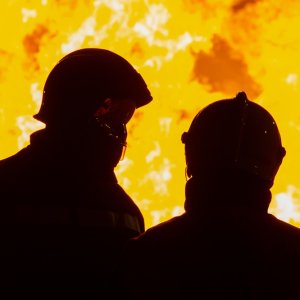
A fire at the COP30 venue in Belém on Thursday forced the evacuation of thousands of delegates and suspended negotiations during the penultimate day of the UN climate summit. The incident disrupted talks involving nearly 200 countries and about 50,000 accredited participants, according to the Brazilian presidency of the conference.
The fire started around 14:00 local time in the East African Community pavilion, inside a restricted-access area that had already experienced two other security incidents earlier in the week. Authorities have not yet identified the cause of the fire. “After the inspections, we will know what happened; perhaps a short circuit or a phone charging. The fire could have occurred anywhere in the world,” Brazil’s Tourism Minister Celso Sabino said.
The blaze burned a hole in the tented roof structure and generated significant smoke, prompting an immediate evacuation. An AFP journalist reported that the area housing country and organization pavilions remained isolated after the venue reopened.
Brazilian authorities said 21 people received medical attention, including 19 for smoke inhalation and 2 for anxiety episodes. Earlier reports from responders indicated that about 20 people were treated for smoke poisoning. “There were people in a state of emotional stress,” said Kimberly Humphrey, Emergency Medicine Specialist attending COP30.
The venue remained closed for several hours. Delegates, media, staff, and volunteers were allowed back inside at 20:40 local time after fire officials declared the site safe, although the affected area stayed cordoned off. The Brazilian presidency confirmed that the official program, including the closing plenary scheduled for Friday, would proceed.
The fire hit as ministers worked to finalize negotiations on adaptation finance, energy transition pathways and a proposed roadmap to phase out fossil fuels. The presidency and the UN called on delegates to return to talks in a spirit of determination and solidarity. But several delegations expressed concern about late-stage proposals from Brazil.
Windyo Laksono, Delegate, Indonesia, said the interruption would delay the process at a crucial moment when decisions must be taken. Negotiators reported ongoing divisions, including resistance from China, India, Saudi Arabia, Nigeria, and Russia to language on fossil fuel phaseout. Another major point of contention is how to finance climate adaptation, which negotiators have proposed tripling to roughly US$120 billion.
António Guterres, UN Secretary General, said earlier Thursday that an agreement was still possible. He called for a deal that balances increased financing commitments from developed countries with mitigation expectations. “It is possible to reach an agreement,” he said.
Luiz Inácio Lula da Silva, Brazilian President, had reintroduced the fossil fuel exit roadmap into discussions the day before, advocating a mechanism that allows each country to progress at its own pace.
COP30 had already faced logistical challenges in the months leading up to the summit, including infrastructure constraints in Belém and high accommodation costs. The UN had also raised concerns about security and water leaks following protests inside the venue.
As negotiations prepare to resume, delegates remain focused on concluding the summit’s agenda despite the disruption. “What are we discussing here? The future of humanity. It makes no sense that we are talking about this fire,” said Martí Orta, Environmental Science Professor, University of Barcelona.
You May Like



Most popular








