Mexico City to Welcome Global Leaders at Placemaking Week 2026
Mexico City is set to host Placemaking Week Mexico 2026, a weeklong summit aimed at placing social cohesion, security and urban resilience at the center of municipal and public space policy. Scheduled for Jan. 26–30, 2026, the five-day event will convene more than 45 urban leaders, specialists and organizations from over 10 countries across Europe and the Americas, making it one of the largest international gatherings focused on community-led urban transformation.
Organizers describe the summit as a response to mounting pressures on cities driven by forced migration, declining international cooperation and the weakening of multilateral institutions. According to United Nations data, more than 122 million people were forcibly displaced worldwide by the end of 2024, the highest figure on record. The UN Refugee Agency has warned that displacement levels are “unsustainably high,” noting that 73% of refugees are hosted by low- and middle-income countries, where the burden often falls on already strained urban neighborhoods and public spaces.
In parallel, in early January the administration of President Donald Trump withdrew the United States from 66 international organizations, including 31 linked to the United Nations. Several of these bodies focused on urban development, migration, human settlements and climate change, creating significant gaps in funding and technical capacity. The White House framed the decision as part of a broader effort to exit international institutions it argues conflict with US sovereignty and economic priorities. “Many of these bodies promote radical climate policies, global governance and ideological programs that conflict with US sovereignty and economic strength,” the administration said in a fact sheet accompanying the order.
Organizers argue that this retreat has shifted greater responsibility to cities and local governments to address social and environmental challenges. Placemaking Week Mexico 2026, they say, seeks to reposition urban planning and public space interventions as tools for integration, safety and community rebuilding, rather than purely aesthetic projects. The agenda will explore how local action can respond to global challenges such as inequality, insecurity and forced migration.
The summit carries particular relevance for Mexico. Latin America accounts for more than 21.9 million forcibly displaced people, and Mexico simultaneously serves as a country of origin, transit and destination for migrants. As a result, its cities face pressures similar to those affecting urban centers worldwide, including inequality, insecurity and the deterioration of public space.
“After more than 10 years of work in over 500 communities across Mexico’s 32 states, we have seen that sustained local action with consistent follow-up can deliver real, measurable improvements in safety, social cohesion and community well-being,” said Luciana Renner, executive director, Placemaking Foundation. She added that this experience has positioned Mexico as a reference point within the global placemaking movement.
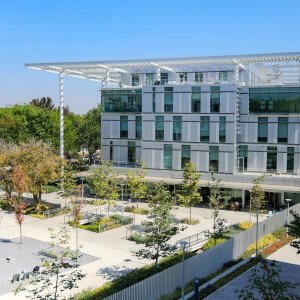
Placemaking Week Mexico 2026 will include keynote conferences, panel discussions, hands-on workshops and urban site visits organized around four thematic tracks: art and community; citizen participation and innovation; community well-being and urban safety; and urban management with measurable impact. International speakers include Karen Christensen, ecologist and author of The Great Good Place II, and Ethan Kent, executive director of PlacemakingX, alongside Mexican practitioners presenting case studies with documented outcomes. Events will take place at Casa UC and Papalote Museo del Niño in Mexico City.
You May Like




Most popular