

Health as a Liability: The Hidden Cost of Medical Catastrophes



STORY INLINE POST



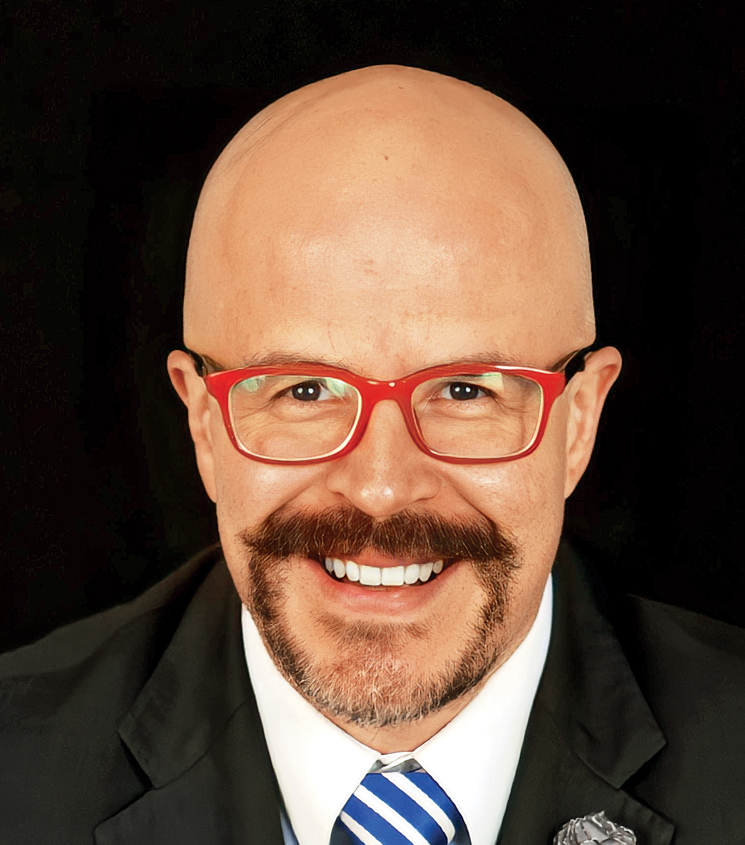 By Erick Diaz | Independent Contributor -
Tue, 11/26/2024 - 02:00
By Erick Diaz | Independent Contributor -
Tue, 11/26/2024 - 02:00
Nowadays, there is a great deal of information about how to improve health and aging well. There is also a collective awareness about how important healthcare insurance is. But there are also more discussions about inequalities in medical access because not all people have been granted a full healthcare plan, even in developed countries.
Economic development is explained by the economist Angus Deaton in his book, “The Great Escape,” an awesome story of how, over the last 250 years, a specific part of the world has gone through huge and unceasing progress. He demonstrates the success of antibiotics, vaccinations, and the impact of clean water on people across time in improving health standards, and shows what needs to be done to help those who live in extreme conditions of poverty to get out, while highlighting the effect of education that directly impacts health outcomes, the premise being that people with more education are more likely to adopt healthier behaviors and seek medical care. The book addresses the well-being of all nations and also suggests that wealth disparities drive poverty.
As a society, we are talking more about how to improve the health and wealth of people and nations, but not so much about the importance of maintaining the same lifestyle and wealth of individuals and families, so that they do not suddenly fall into conditions of poverty due to a high medical cost adding a catastrophic expense through an unplanned health and life event.
According to the Mexican Association of Insurance Institutions (AMIS), although the number of people in Mexico protected by health insurance increased by 50% in the last decade, the number of insured people in the total population is still low, representing only 9.9% of the population in 2022 that had health insurance. Most of the population turns to public services to take care of their health. The national average cost in Mexico per claim per year doubled in five years, reaching US$6,500 by 2022. In the same year, the average quarterly current income per household was US$3,325, according to the National Seasonal Household Income and Expenditure Survey (ENIGH E).
Here are conclusions based on this data:
-
Financial vulnerability of households: The average major medical claim cost per year of US$6,500 is significantly higher in proportion to the average quarterly income of US$3,325. An unexpected medical expense not covered by any insurance or social security assistance could devastate a typical household budget. This disparity illustrates how a single health-related financial shock could lead to debt or poverty for many households without adequate insurance protection.
-
Higher healthcare prices: The doubling of claim costs within five years suggests that healthcare prices are outpacing income growth, making it difficult for families to cover medical expenses. This trend could lead to a larger uninsured population, as fewer households may afford complete health coverage.
-
Economic inequality: Families without coverage may fall into poverty when faced with medical emergencies, while insured households are better protected, increasing the gap between income groups if only wealthier individuals can pay for health insurance.
Additionally, here are three key barriers individuals may face when trying to buy major medical insurance, aside from income constraints:
-
High complexity of insurance terms and policies: As an intangible product, it is difficult to understand the benefit of enrolling, and the typical process of selecting a major medical insurance plan is overwhelming due to complicated concepts, exclusions, and policies conditions. Insurance companies need to demonstrate the practical value of insurance products. They could start by launching educational campaigns to explain how easily insurance works in protecting family finances, highlighting testimonials from policyholders who benefited from insurance coverage during a medical crisis.
-
Lack of insurance: Navigating the individual insurance market is often more costly because there is no collective bargaining power. Additionally, for employers that offer health insurance benefits but do not have access to economic incentives in the same proportion to their spending, an alternative could be offering better insurance conditions for individuals, such as a "money-value guarantee" for a policy, reduced premiums after a certain period without claims to reward long-term customers, and modular plans where customers can add or reduce coverage according to recommendations of gender and age.
-
Enhance transparency in policies and costs: Offering detailed comparisons of coverage can help individuals feel well informed, while access to transparent information should build a foundation of trust. Insurance companies should simplify policy language. They could offer a specific and common treatment that will be fully covered and a clear percentage that will be reimbursed before the procedure.
One of the primary fears of people is being denied coverage when they need it most, but there is also a lack of knowledge about the importance of health insurance protection. There is a false belief that people should not get insurance because they do not need it. Unfortunately, those who need it most today do not acquire it due to the high costs of taking out a policy, and the lack of knowledge of how it works and the risk protection that it provides.
You May Like




Most popular








