

Human Resources in 2025: Transforming the Future of Work







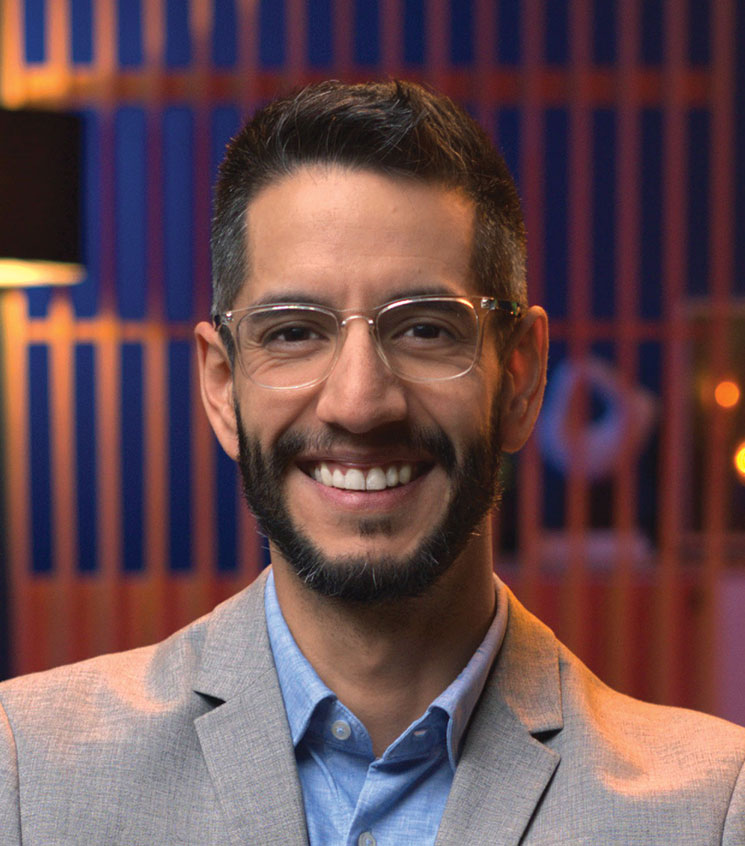 By Alejandro Ureña Amieva | Co Founder and Chief Innovation Officer -
Mon, 10/28/2024 - 10:00
By Alejandro Ureña Amieva | Co Founder and Chief Innovation Officer -
Mon, 10/28/2024 - 10:00
The once-solid structures and systems that organizations relied upon are now facing unprecedented disruption. Traditional human resources (HR) models have become obsolete for many businesses, unable to adapt to the demands of a rapidly changing environment characterized by technological acceleration, heightened social consciousness, and the climate crisis.
We are at a pivotal juncture filled with opportunities. HR departments that view this transition as a chance to reinvent themselves can lead profound and sustainable transformations, propelling their organizations to new heights of success. The future of HR extends beyond adopting new technologies or complying with emerging regulations; it involves redefining what it means to manage talent in an increasingly digital, volatile, and interconnected world. HR must evolve into a catalyst for change, optimizing organizational performance while positioning the company as a relevant and responsible societal actor.
As the lines between human and technological realms blur, HR professionals must navigate this new landscape by balancing efficiency with humanity, automation with ethics, and productivity with well-being. The real challenge lies in integrating new tools and methodologies that reinforce the organization's core values, enhancing resilience in the face of future uncertainties.
By 2025, HR must accelerate the shift from administrative functions to purposeful leadership. This transformation is already underway in five key areas: redefining productivity, crafting a new social contract with employees, embracing multifaceted teams, championing sustainability, and implementing artificial intelligence ethically. Each area presents specific challenges but also opens doors to solutions that can radically transform how organizations operate and engage with the world.
Beyond Efficiency
For decades, an obsession with productivity has dominated corporate agendas. But are we measuring what truly matters?
The concept of productivity needs to be reimagined. It's not just about the number of hours employees spend at their desk, the meetings attended, or the tasks completed each day. The focus should shift toward quality and impact. This requires redefining success metrics to evaluate how individual actions contribute to strategic objectives and enhance team well-being.
HR should cultivate environments where employees are empowered to innovate and find purpose in their work, with a clear understanding of how each action impacts the company's broader goals. Transitioning success metrics toward outcomes that integrate productivity with well-being and purpose is essential for adapting to the new realities of the workplace.
Crafting a New Social Contract
The relationship between companies and their employees is under significant strain. Recent years have exposed tensions that were long overlooked. The traditional notion of "work-life balance" is no longer sufficient. Today's reality demands a more flexible and personalized alignment between personal life and work, known as the "work-life fit."
This concept acknowledges that employees no longer accept rigid structures that fail to consider their individual circumstances. The solution isn't merely offering remote or hybrid work options. It's about designing work conditions that adapt to each person's evolving needs.
HR must adopt a proactive role by facilitating open conversations and leveraging data analytics to create frameworks accommodating diverse realities. This involves personalized work arrangements, flexible scheduling, and fostering a supportive culture that recognizes individual challenges and aspirations. By doing so, organizations can build a more engaged and committed workforce.
Power of T-Shaped Professionals
Although the concept emerged in the 1980s, the value of "T-shaped" talent is more significant than ever. In an era where professionals are required not only to master a specialty but also to understand and collaborate across other business areas, T-shaped employees are invaluable. They combine deep expertise in a specific field (the vertical bar of the "T") with a broad understanding of other disciplines (the horizontal bar), making them instrumental in breaking down departmental silos and driving innovation.
This approach is crucial in a world where technology evolves rapidly and demands constantly change. The ability to see the bigger picture and adapt accordingly is vital for maintaining competitiveness in such a volatile environment.
Moreover, the adaptability of these professionals is an invaluable asset. In a market where it's estimated that 85% of the jobs that will exist in 2030 haven't been invented yet, the capacity to pivot swiftly between roles and responsibilities is essential. Organizations that foster the development of these cross-functional skills in their employees will be more innovative and resilient in the face of change.
To cultivate such talent, companies should implement continuous learning programs that balance deep specialization with interdisciplinary education. Encouraging interdepartmental collaboration and role rotation can enable employees to gain a comprehensive understanding of the organization, enhancing their ability to contribute meaningfully across various contexts.
HR as a Catalyst for Change
It may seem ambitious, but HR could play a pivotal role in addressing the climate crisis, helping organizations adapt to a new reality where natural disasters and societal pressures demand decisive action.
Promoting sustainability education is imperative — not just at the executive level but across all tiers of the company. This involves training employees in environmentally responsible practices, such as reducing carbon footprints, recycling, and efficient resource utilization.
HR should collaborate with other departments to design and implement sustainability policies and work schemes that support eco-friendly initiatives and minimize the organization's environmental impact. These practices can also become powerful tools for attracting and retaining talent, as a growing number of individuals seek to work for companies that align with their environmental values.
By embedding sustainability into the organizational culture, HR can help build a brand that resonates with socially conscious consumers and stakeholders, enhancing the company's reputation and competitive edge.
Ethical Implementation of AI
Artificial intelligence is rapidly reshaping the workplace landscape. However, implementing AI without a robust ethical framework can create more problems than it solves. HR must act as the steward of this balance, ensuring that AI enhances efficiency and supports employees without dehumanizing processes or introducing biases.
In practice, this could involve using AI to analyze large datasets, such as employee satisfaction surveys or productivity metrics, to uncover patterns that might otherwise go unnoticed. However, any actions based on these analyses should undergo human review to prevent errors or contextually inappropriate decisions.
HR should establish systems where AI tools serve as extensions that support employees, ensuring that final decisions — especially those related to hiring, performance evaluations, or terminations are validated by human judgment. It's been demonstrated that AI, without proper oversight, can perpetuate discrimination if trained on biased historical data.
By leading conversations on AI usage and implementation within the organization, HR can provide training, foster critical thinking, and offer context to leaders and employees alike. This approach ensures that AI serves as a tool for empowerment rather than a source of inequality.
Seizing the Future
The journey toward 2025 is a pivotal opportunity for HR to redefine its role and impact. The challenges ahead are significant, but so is the potential for transformative change. This is the moment for HR professionals to step forward as visionary leaders, architects of organizational evolution who are unafraid to challenge the status quo.
The future of work demands a new kind of leadership, one that is proactive, innovative, and deeply attuned to the human element at the heart of every organization. Those who grasp the urgency of these emerging trends and take decisive action will not only navigate the uncertainties of tomorrow but will shape the very landscape of the global economy.
HR holds the unique power to drive cultural shifts, inspire innovation, and forge new pathways toward sustainable success. By embracing this role, HR professionals can transform their organizations into agile, resilient entities that don't just respond to change but anticipate and lead it.
The time for incremental adjustments has passed. Now is the era for bold initiatives and strategic foresight. HR must seize this opportunity to become the catalyst for meaningful change, leveraging its position to influence not just business outcomes but societal progress.
By committing to this vision, HR can redefine what is possible, creating workplaces that are not only more efficient and productive but also more humane, ethical, and aligned with the broader needs of our world. This is how HR will leave an indelible mark, by shaping organizations that thrive amid uncertainty and contribute positively to the fabric of society.
The future is not a distant horizon; it's being crafted today. HR professionals who embrace this challenge will lead the way, transforming the future of work into a legacy of innovation, sustainability, and shared success.
You May Like


Most popular





