


Mexico Moves Forward with 40-Hour Workweek Reform
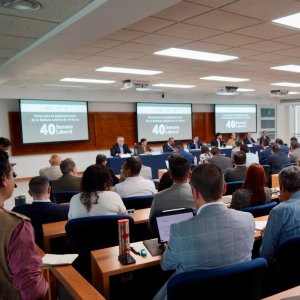
At the Fifth Forum for the Implementation of the 40-Hour Workweek, Mexico’s Ministry of Labor and Social Welfare, Marath Bolaños, reaffirmed the government’s commitment to placing workers at the center of the country’s labor transformation, emphasizing that this shift will not hinder economic growth.
“What we seek is to provide development conditions and decent work for our workers, which will ultimately benefit the majority,” says Bolaños.
Bolaños says that nearly all recent labor advances in Mexico have been achieved through unanimous consensus in tripartite discussions involving the government, employers, and workers. The process for adopting the 40-hour workweek will follow this same public, transparent, and participatory approach, he adds. He also points out internationally recognized benefits of reducing the workweek, such as lower fatigue, fewer errors, reduced illness, and increased overall well-being for employees.
Mexico remains one of the few OECD countries with a 48-hour workweek. This reform aims to align the country’s labor regulations with international commitments and best practices. This initiative is part of a broader strategy to foster shared and effective prosperity in Mexico. Bolaños says that recent labor policies have produced highly positive outcomes.
Governor of Queretaro Mauricio Kuri says that the proposal reflects a vision for greater worker well-being, which would allow for more family time and a better work-life balance. He adds that dignifying work is essential for building a more just society.
However, Kuri also highlights the need to carefully evaluate the economic implications of the measure. He underlines that any major labor reform must be built on dialogue and a realistic understanding of economic conditions to succeed.
You May Like






Most popular








