

The Unavoidable Commitment to Reskilling and Upskilling


STORY INLINE POST








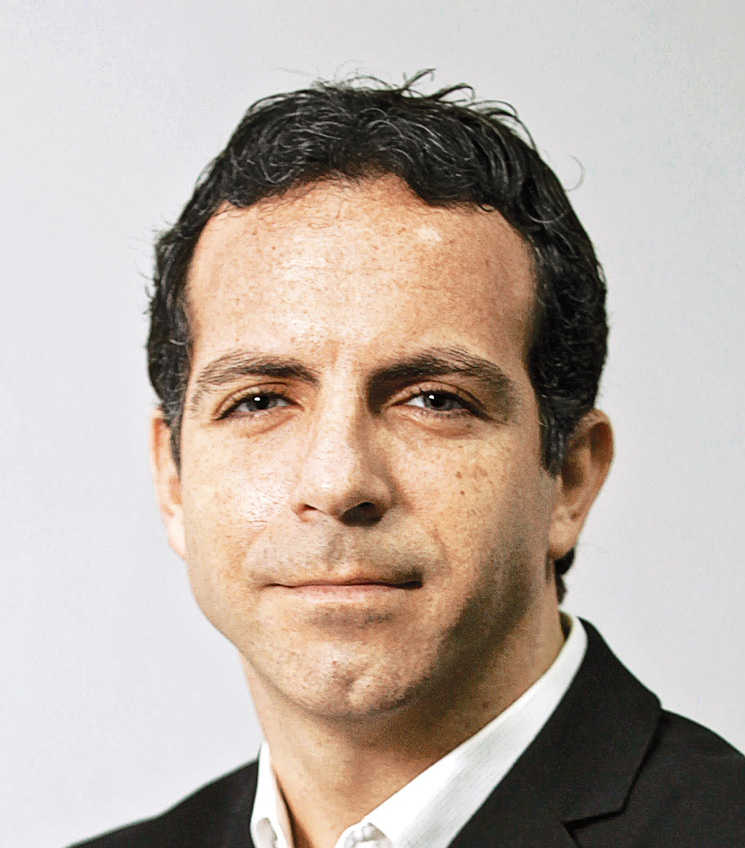 By Joseph Zumaeta | Country Manager -
Thu, 02/22/2024 - 10:00
By Joseph Zumaeta | Country Manager -
Thu, 02/22/2024 - 10:00
The labor landscape is constantly redefined under the pressure of technological advances and the demand for new skills. Therefore, it is essential for companies to intensify their commitment to the development of human talent. This commitment is a key factor that is positioned as one of the steering wheels ensuring organizations stay afloat and navigate more effectively in the vast sea of the organizational world.
Some data supports this reality. The World Economic Forum (WEF) estimates that by 2025, 50% of all global employees will need to improve and acquire new skills to stay relevant in an increasingly challenging ecosystem of new technologies.(1) In five years, the skills considered important in current requirements will change, with essential skills in 2025 consisting of technological competencies that are not yet considered crucial.
This skills gap manifests as a profound and multifaceted challenge, largely due to four main factors that accentuate its breadth. Global analyses position the exit of the baby boomer generation from the workforce as the first factor, depriving companies of decades of valuable experience. Additionally, the growing mobility of new generations adds pressure, increasing abandonment rates and leaving employers in search of replacements.
The shorter lifespan of skills is another factor, as continuous and rapidly changing digital advancements lead to an "expiration" of knowledge in the short term, requiring much more frequent updates. Finally, the demand for emerging skills exceeds the available supply, creating a gap between what organizations need and the skills employees possess.
Reskilling and Upskilling: Company Pillars
Therefore, at a time when technology is advancing rapidly, the adaptability of human talent becomes a critical asset for HR professionals. To achieve this, investment in skills development must become a catalyst that shapes a new corporate culture valuing employees, their training, unemployment, and needs.
In this scenario, reskilling and upskilling emerge as essential pillars that will sustain the future of companies. Reskilling focuses on training employees to perform a different role within the same company, while upskilling refers to training in new skills. Both are not just trendy concepts but represent a fundamental strategy for the business fabric.
Indeed, these are concepts we will see frequently in the coming years due to the need for organizations to stay current amid changes impacting Mexico's labor market, such as competition for attracting the right talent, ensuring retention, and the need to optimize processes and costs without compromising the company economically. All these are the main priorities in the country.
How to Implement Reskilling and Upskilling?
Thus, reskilling and upskilling are essential strategies led by HR professionals to ensure that teams acquire the necessary skills in an ever-evolving work environment. But how to implement them?
From human talent management, both strategies can be implemented with a series of strategies that can range from optimizing internal communication to developing individualized development plans aligned with professional and organizational goals. This provides employees with a clear path for growth. Another option is to implement flexible and personalized online learning platforms with courses and resources for the development of specific skills.
It is also crucial to conduct performance surveys, from which necessary information can be extracted for diagnostics, understanding sentiment, as well as the present and desired skills of employees. With these assessments, combined with data, an organization's decision-making becomes much more informed. Thus, HR departments can determine which skills and training to implement to effectively manage employees.
Beyond: Future Scenarios of Training
In a world where digital transformation is the norm and the pace of change is exponential, reskilling and upskilling must evolve beyond mere training programs. Let's envision an approach where companies embrace learning platforms powered by artificial intelligence (AI) and virtual reality, allowing employees to immerse themselves in simulated and practical environments that replicate real work situations. This approach would not only facilitate the acquisition of technical skills but also foster the development of soft skills such as problem-solving, collaboration, and creativity in an immersive and participatory environment.
Furthermore, it's conceivable to integrate reskilling and upskilling programs as integral parts of corporate culture, where continuous learning becomes a philosophy ingrained in the organization's DNA. Companies could establish internal mentorship systems, where more experienced employees share their knowledge and skills with those seeking to develop themselves. This approach would not only promote a sense of community and collaboration within the company but also drive talent retention by offering meaningful growth and development opportunities within the organization.
Continuous training not only develops employees but also strengthens workforce versatility and ensures business competitiveness. Closing the gap between current and emerging skills involves keeping employees updated, redefining work dynamics, and leveraging technology. In this process, companies must ensure their competitiveness, foster innovation, and strengthen cohesion in a challenging environment.
References:
1. “The Future of Jobs Report 2020” - The World Economic Forum
You May Like



Most popular








