


AI for All: Empowering Women in the Age of Innovation
 By Óscar Goytia | Journalist & Industry Analyst -
Wed, 04/24/2024 - 17:37
By Óscar Goytia | Journalist & Industry Analyst -
Wed, 04/24/2024 - 17:37
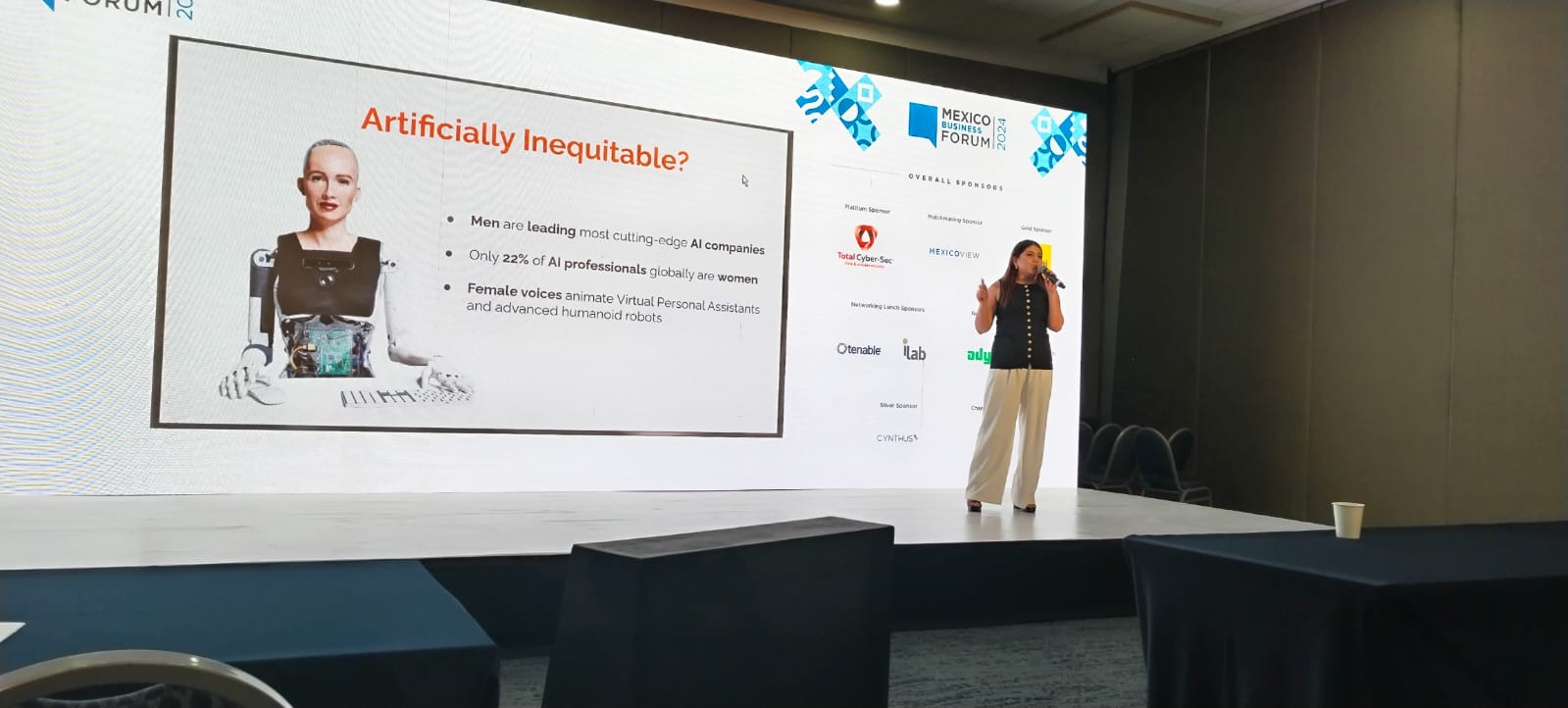
Addressing gender disparity is crucial for technology companies, especially those involved in artificial intelligence projects. According to UNESCO figures, only 22% of professionals in the field are women.
"If we do not take action to integrate women into technology and AI development, everything will end up being developed by a non-representative population group," says Anaid Sustatia, Google Cloud Lead and member of Women in Tech.
According to the Organisation for Economic Co-operation and Development (OECD), only 11% of all research and development publications on artificial intelligence were exclusively authored by women. Furthermore, only 45% of all publications have at least one female author.
The fact that the majority of specialists involved in the development and training of artificial intelligence systems are men leads to perpetuating social biases within the digital environment, according to the specialist.
“It is important for policymakers, companies, and academia to develop programs that promote women's inclusion in the industry, allowing them to contribute to the execution of these projects”, says Sustatia.
Google develops projects in this technology based on what they call the principles of AI. "The first is to ensure that they benefit the entire community, seeking not to reinforce societal biases. It must be developed in a safe environment, feedbacked, and controlled by humans, taking care of people's data. It must be developed with scientific excellence and all aligned with Google's values," says a specialist.
In order to promote women's inclusion in AI development, Google has implemented a series of initiatives focused on addressing this issue. Women Growth is one of them, teaching women all the basics in AI technology, Cloud, and complemented with mentorship for the development of soft skills to enable them to achieve greater success in their careers.
A similar case is the Women Will program, which focuses on STEM students and technology careers, so they can implement AI and cloud to allow them to access better positioning in the job market upon graduation.
"It is important to have policies from the beginning to the execution of AI development projects so that they can incorporate their input. There are mentoring projects so that young women have the opportunity to have a career in AI development; several of the participants have launched their own startups," says Sustatia.
Due to this, non-profit organizations develop programs to help reduce the gender gap. An example of this is the Future Leaders association, of which Anaid Sustatia is a part and which is divided into two aspects.
"One for women with eight to ten years in technology industries looking to advance their careers, accompanied by 30 women leaders in the industry. The other program is allied with women in and the University of Puebla to give students negotiation mentors so they can enter technology and help improve gender parity from this moment," she stated.
According to UNESCO, at the current rate, it would take another 132 years for men and women to close the gender gap in technology. Therefore, initiatives like those of Google and Women in Tech should be replicated and promoted.
You May Like





Most popular








