


Air India 171 Crash Tests Tata’s Revamp, Boeing 787 Safety
 By Teresa De Alba | Jr Journalist & Industry Analyst -
Fri, 06/13/2025 - 13:44
By Teresa De Alba | Jr Journalist & Industry Analyst -
Fri, 06/13/2025 - 13:44
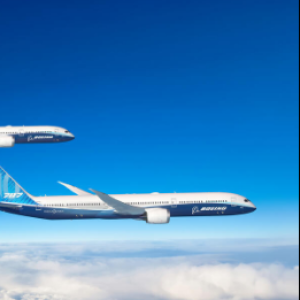
The crash of Air India Flight 171, claiming over 240 lives, has intensified scrutiny on the airline's safety practices and fleet modernization efforts. The accident, involving an 11-year-old Boeing 787 Dreamliner, is the deadliest air disaster in over a decade and the first involving this aircraft model.
The tragedy poses a significant challenge to the Tata Group's efforts to reposition Air India as a competitive global carrier since acquiring it from the government in 2022. Under Tata’s ownership, the airline has sought to address systemic issues such as aging aircraft, maintenance lapses, and operational inefficiencies.
“This is a difficult day for all of us at Air India. Investigations will take time,” said CEO Campbell Wilson. India’s civil aviation ministry has launched a formal inquiry, though the airline has not disclosed specific causes.
The 198-aircraft fleet includes 70 planes over 10 years old, with Air India Express operating an additional 101 aircraft, 37% of which are older than 15 years. According to aviation standards, planes under 10 years old are considered "young," while those over 20 are classified as "old."
“Newer aircraft and better maintenance should define Air India’s future,” said Vibhuti Deora, a former expert with India’s Aircraft Accident Investigation Bureau. “Proper maintenance is critical for the airline’s survival, given its chequered past.”
Air India has a history of fatal accidents, including a 2010 crash that killed 158 and a 2020 incident claiming 21 lives. Despite plans to expand its international network and a record order of 570 new jets, the airline continues to face criticism over service quality and aircraft conditions. In 2024, it was ranked the worst airline for delays in the UK, with average departures running 46 minutes late.
Financially, the airline remains under strain, reporting a net loss of US$520 million on revenue of US$4.6 billion for FY 2023–24.
Following the crash, Air India’s website adopted a black-and-grey theme, displaying flight number AI-171 prominently. Communications consultant Dilip Cherian remarked, “For an airline, safety defines brand identity. This crash is a major setback.”
The tragedy has also heightened pressure on Boeing, marking the first fatal crash of the 787 Dreamliner since its commercial debut in 2009. Boeing shares fell over 4% in the aftermath. The 787, known for its extensive use of lithium-ion batteries, was grounded globally in 2013 after battery overheating incidents led to onboard fires.
Boeing is already grappling with challenges from the 737 MAX, grounded in 2019 after two crashes killed 346 people. Recent safety incidents, including a detached door plug in 2024, have led to production caps. The company posted an $11.8 billion loss in 2024, bringing total losses since 2019 to over $35 billion, with strikes further disrupting operations. Deliveries dropped to 348 jets, trailing Airbus's 766.
You May Like



Most popular








