


China Opens First Technical Center for Sustainable Aviation Fuel
 By Óscar Goytia | Journalist & Industry Analyst -
Thu, 07/04/2024 - 17:52
By Óscar Goytia | Journalist & Industry Analyst -
Thu, 07/04/2024 - 17:52
The Civil Aviation Administration of China (CAAC) has inaugurated the country’s first technical center dedicated to sustainable aviation fuel (SAF). The center will lead the way in policy design, quality control standards, and product research for the aviation industry. This marks a significant step for China, the world's second-largest aviation market, which currently consumes about 11% of the global aviation fuel.
Located in Chengdu, the center aims to establish and enforce standards for SAF products and oversee quality control. Industry executives view the establishment of this center as a strategic move by China to spearhead the adoption of sustainable fuels in the aviation sector. According to Reuters, the Chinese government is expected to announce its policy on SAF usage by 2030, potentially driving billions of dollars in investment.
Despite several test flights, China does not yet produce SAF for domestic use on a commercial scale. However, biorefineries are investing over a billion dollars to build the country's first plants for converting used cooking oil into aviation fuel. These investments aim to meet both domestic demand and export requirements, aligning with Beijing's anticipated mandate for using SAF in aircraft to reduce emissions.
"Chinese ingenuity and resources present a significant opportunity for the country to lead in sustainable aviation," said an industry executive. "China has the raw materials and renewable energy capacity to accelerate SAF development, much like it did with solar energy and electric vehicles."
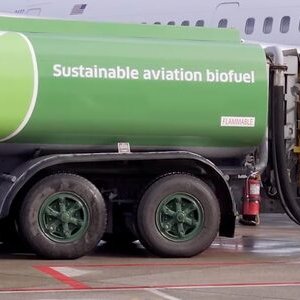
SAF is derived from sustainable sources such as used cooking oil, animal fats, and agricultural waste. These fuels can significantly reduce greenhouse gas emissions compared to traditional fossil fuels. The high cost of production and limited political support have hindered widespread adoption. However, China’s new regulatory moves and substantial investments suggest a strong commitment to overcoming these challenges.
The viability of SAF was demonstrated when China’s state-owned aircraft manufacturer, COMAC, completed a successful test flight of its C919 jet using SAF produced by Sinopec, the country's largest oil refiner.
You May Like





Most popular








