


FAMEX 2025 Draws 48 Nations, Highlights Aerospace Innovation
 By Óscar Goytia | Journalist & Industry Analyst -
Mon, 04/28/2025 - 16:30
By Óscar Goytia | Journalist & Industry Analyst -
Mon, 04/28/2025 - 16:30
The sixth edition of the Mexico Aerospace Fair (FAMEX 2025) wrapped up on Apr.26 at Santa Lucía Air Base, drawing hundreds of attendees for four days of exhibitions and events. The fair featured 337 companies and 150 organizations from 48 countries, including the United States and Brazil, showcasing the latest technological advancements and fostering international collaboration.
"At this venue, we have witnessed the latest technological advances, innovations, the development of cutting-edge functions, and fruitful collaborations between companies, educational institutions, and our armed forces," said Óscar Rubió, Commander, Mexican Air Force, during the closing ceremony. He spoke on behalf of President Claudia Sheinbaum and General Ricardo Trevilla Trejo, Minister of National Defense.
Rubió Sánchez highlighted that FAMEX 2025 acted as a pivotal platform for commercial exchange, opportunity generation, and the strengthening of international relations. He described the fair as "a testament to our commitment to developing a strong, competitive aerospace industry that creates specialized jobs and fosters national growth."
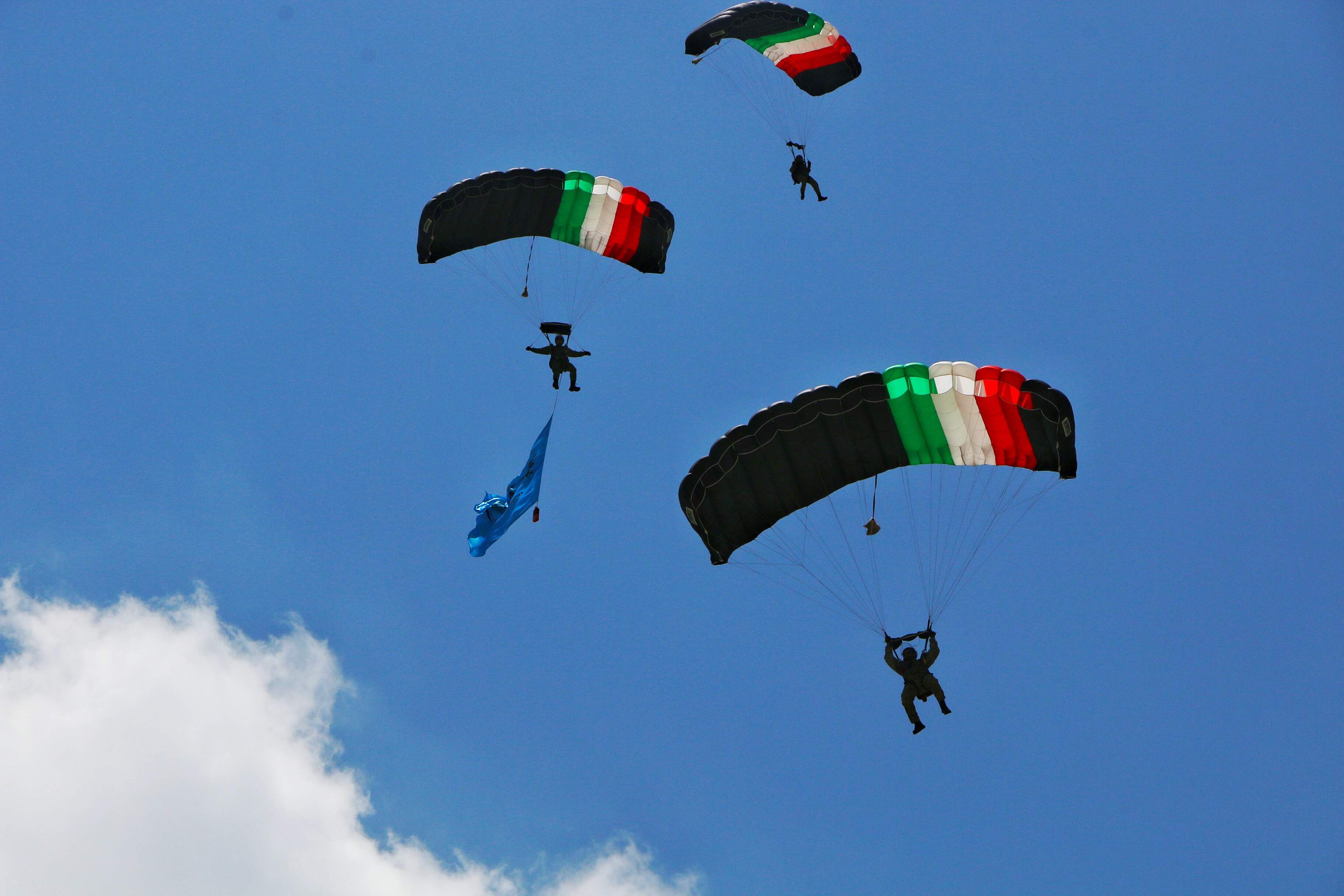
The event included 69 aircraft in aerial displays, with notable performances by the US F-35, Spain’s A400M, and Mexico’s F5 jets. The air show kicked off with parachute jumps by the Mexican "Guerreros Águilas" and US sports parachutists, followed by impressive flight demonstrations from Beechcraft T-6C Texan II aircraft, which painted trails in the colors of the Mexican flag.

Alongside the exhibitions, FAMEX 2025 featured a space pavilion offering sector discussions and astronaut-led sessions. Katya Echazarreta, the first Mexican woman to travel to space, led talks on the future of the aerospace sector and collaboration opportunities.
During a press conference, Economy Minister Marcelo Ebrard Casaubón underscored the importance of strengthening Mexico’s technological independence. "The less countries depend on others and the more they develop their own technologies, the greater the benefits. Self-sufficiency is key to progress," he emphasized.
Ebrard noted the impressive growth of Mexico’s aerospace industry, which now includes roughly 346 companies and is projected to generate over US$22 billion. The sector is expanding in areas such as advanced turbine production and high-precision foundry capabilities. "We export primarily to the United States, but also to France, Germany, and the United Kingdom," he said, pointing to an annual growth rate of 10% to 15%.

Ebrard also highlighted Mexico’s role in establishing the Latin American and Caribbean Space Agency, which will soon begin operations with 22 participating countries. He took pride in Mexico’s contribution to NASA’s Artemis program, citing "Colmena," a nanorobot developed at the National Autonomous University of Mexico (UNAM). "This is the first Mexican-made artifact that will reach the Moon," he noted.
Sharing an anecdote, Ebrard revealed that the nanorobot’s production cost was MX$1.5 million, a figure that surprised US colleagues who initially thought it was quoted in dollars. "Even in dollars, they remarked that it was cheap," he said, emphasizing Mexico's cost-efficiency.
Ebrard also stressed the importance of youth involvement. "Young people are deeply involved in emerging projects," he said, highlighting contributions from institutions like Conalep Papantla, Queretaro, and Michoacan. He also noted that a team from the University of Morelia developed drones that are set to compete in Dallas, with support from the Ministry of Economy and private companies. "Our responsibility is to support them," he concluded.

Most popular








