


Mexico Aims to Settle US Aviation Dispute Before 2026 World Cup
 By Teresa De Alba | Jr Journalist & Industry Analyst -
Thu, 12/18/2025 - 16:29
By Teresa De Alba | Jr Journalist & Industry Analyst -
Thu, 12/18/2025 - 16:29
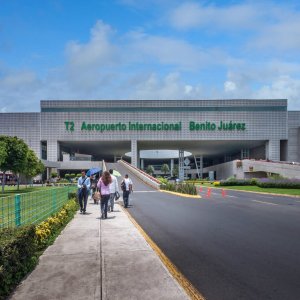
Mexico’s government is seeking to resolve its aviation dispute with the United States ahead of the June 11, 2026 kickoff of the FIFA World Cup, a move that would allow Mexican airlines to restore and expand routes between the two countries, according to federal officials. The effort follows restrictions imposed by the US Department of Transportation (DOT), which suspended new flights by Mexican carriers from Mexico City International Airport (AICM) and Felipe Ángeles International Airport (AIFA).
Infrastructure, Communications and Transport Secretary Jesús Esteva said Mexico remains in active talks with US aviation authorities to lift the measures. “We did not set a specific date for a response, but we remain in communication, as with the tariff discussions. We have complied with all requirements, and they agreed not to apply additional measures while negotiations continue,” Esteva said. Resolving the issue before the World Cup, he added, would allow airlines to better accommodate the surge in travel demand.
The DOT has argued that Mexico breached the bilateral air transport agreement by banning cargo operations at the AICM and reducing operating hours at the airport. In response, Mexico has taken steps to address US concerns. Mexican airlines have returned six takeoff and landing slots at the AICM to US carriers, a measure previously announced by President Claudia Sheinbaum as part of the negotiations. “It was the Mexican airlines that gave up the slots,” Esteva said.
Separately, the DOT ordered Delta Air Lines and Aeroméxico to unwind their joint venture, citing competition concerns and what it described as anticompetitive effects in US–Mexico City markets. A federal appeals court has temporarily blocked the order while the airlines challenge the decision.
Cargo operations, however, will not return to the AICM in the near term. Esteva said dedicated cargo carriers have instead requested operational enhancements at the AIFA. “Cargo airlines have more slots and more space at the AIFA,” he said, noting the airport’s greater capacity for freight operations. DHL Express CEO Antonio Arranz recently said the company’s air cargo operations at AIFA have delivered stronger results than those previously achieved at the AICM.
As part of the agreement, Mexico will also deploy a specialized software system to manage slot allocation at the AICM. The system is expected to begin operating in the coming months and aims to improve transparency in the assignment of takeoff and landing times. In addition, US authorities requested that a third party oversee slot compliance, a role that will be assumed by Mexico’s aviation authority rather than the airport itself.
The US restrictions have already had operational consequences. Mexican airlines were forced to cancel 13 previously announced routes that were intended to support demand ahead of the World Cup. Esteva said those limitations will be lifted before the tournament begins.
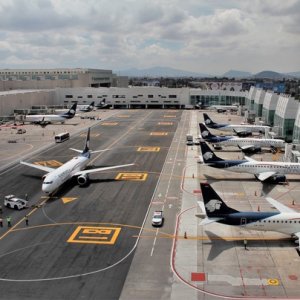
Looking ahead, the AICM plans to expand operations and continue infrastructure upgrades to handle higher passenger volumes. The airport currently operates a maximum of 44 flights per hour, a figure that is expected to increase by June 2026. “Flexibility is always important. Greater capacity will serve not only the World Cup but other events as well,” Esteva said, pointing to longer-term benefits for Mexico’s aviation infrastructure.
You May Like





Most popular








