TSA Phases Out Longstanding Shoe Removal Requirement
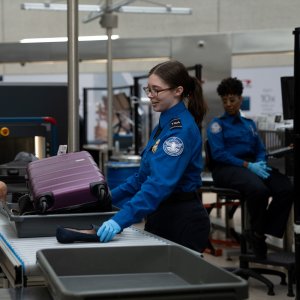
The Transportation Security Administration (TSA) has begun phasing out its long-standing policy requiring travelers to remove their shoes during airport security screenings. The rule change, introduced in response to a 2001 failed terrorist attempt involving explosives hidden in footwear, is now being quietly implemented at several major US airports.
According to reports from CBS News and The New York Times, the policy has already been lifted at airports including New York’s LaGuardia, Los Angeles International, Philadelphia International, and Seattle-Tacoma International. Other participating locations include Baltimore/Washington International, Fort Lauderdale, Cincinnati/Northern Kentucky, Portland, and Piedmont Triad.
Although the TSA has not made an official public announcement, a spokesperson confirmed that “TSA and [the Department of Homeland Security] are always exploring new and innovative ways to enhance the passenger experience and maintain our strong security posture.” The agency is reportedly notifying staff and updating its Standard Operating Procedures accordingly.
The change follows an internal report published by Gate Access, a travel security newsletter founded by former TSA officer Caleb Harmon-Marshall. “Travelers should know that TSA has the technology to appropriately screen passengers with their shoes on. That means they can detect anything harmful while you are wearing shoes,” Harmon-Marshall said.
The shoe removal policy was implemented in 2006, nearly five years after British national Richard Reid, who claimed ties to Al Qaeda, attempted to detonate explosives in his shoes aboard an American Airlines flight from Paris to Miami. The attack was foiled by passengers and crew, and the plane landed safely in Boston. The incident prompted a series of heightened aviation security measures in the United States, including mandatory shoe removal during screening.
Since 2011, exceptions have existed for children under 12 and members of the PreCheck trusted traveler program, based on assessments that the risk posed by these groups was minimal.
Despite the lack of a formal press release, internal TSA communications and protocol updates signal a systemic shift. Harmon-Marshall noted that removing the shoe policy could help streamline security lines. “Shoes can cause delays because they get stuck in the X-ray machine. It is a hassle at times, especially for families or large groups,” he said.
You May Like





Most popular