


Cotton Producers Seek Meeting With SADER Over Seed Access
Cotton producers in the San Luis Valley are seeking a meeting with the Ministry of Agriculture and Rural Development (SADER) to address challenges in the sector and request approval for additional seed varieties that are cheaper and more accessible.
Juan Armenta, President, Cotton Product System, said that since the installation of the Sustainable Rural Council with SADER’s delegate in Sonora, producers have not received answers to their concerns. “They have not resolved anything or given us a response. We asked the delegate for a meeting with the minister, but so far we have no news,” he said.
Armenta explained that if there is no progress before October, producers plan to travel to Mexico City to seek a direct meeting. Currently, they are only allowed to import one long-cycle, low-yield variety, although there are at least 50 options available in Arizona. He warned that the restriction could generate phytosanitary problems and called for support from state and federal authorities.
Additionally, he argued that the sector faced major restrictions from the Ministry of Environment (SEMARNAT) during the previous administration regarding the import of genetic modified seeds (GMO). “We do not understand why they do not allow the import of transgenics if they are planted all over the world,” Armenta noted.
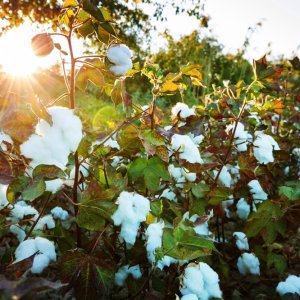
The cotton harvest in the San Luis Valley is set to begin on Oct. 15 across 1,500ha. Producers expect to maintain the minimum yield of seven bales per hectare recorded last year. “No estimate has been made of how much will be harvested, but we hope to reach the average from last year, and hopefully surpass it,” Armenta said.
Cotton prices currently stand at US$65 per quintal, or about US$325 per bale. Forecasts indicate prices could rise before the end of the year, possibly before the harvest begins. Despite price pressures, cotton remains one of the strongest crops in the valley.
Last year, producers planted 2,500 ha, but that area fell by 1,000 ha this year. Armenta said that planting decisions for 2026 will depend on international market prices and the availability of seed.
You May Like


Most popular








