


Mexico Strengthens Efforts to Control Central American Locust
The Mexican Ministry of Agriculture and Rural Development, through the National Service for Agrifood Health, Safety, and Quality (SENASICA), conducted extensive monitoring and control measures across 584,121ha in 2024 to address the Central American locust (Schistocerca piceifrons piceifrons). The effort targeted 10 states, including Campeche, Chiapas, Oaxaca, Quintana Roo, and Yucatan, to protect national agricultural production.
Specialists from Auxiliary Plant Health Organizations applied integrated pest management techniques on 14,957ha to safeguard crops such as agave, maize, sugarcane, and soybeans, as well as timber species and pastures. Additional measures were implemented in Morelos, State of Mexico, and Puebla to manage localized outbreaks.
Between December 2024 and Jan. 22, 2025, 35 locust swarms were identified and controlled in municipalities across Yucatan, including Merida and Dzilam Gonzalez, without reported crop damage. On Jan. 5, a swarm near Merida prompted immediate action by official personnel, who monitored the insects’ resting sites and applied control measures.
Challenges such as restricted access to private lands and dense forest areas have complicated efforts. SENASICA anticipates further swarms in the coming weeks due to the locust’s biology and seasonal patterns, underscoring the importance of public cooperation in granting access and reporting suspected sightings to state agricultural offices.
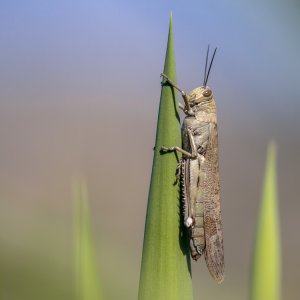
Yucatan, with over 520,000 ha of susceptible land, is one of Central America’s largest breeding grounds for the pest. The Central American locust, a significant economic threat, feeds on over 400 plant species and can travel up to 20km daily in swarms. Although it poses no risk to human or animal health, its potential impact on agriculture has made it a priority for official control measures.
SENASICA has invested over MX$30 million annually (US$1.4 million) in locust control since 2004. The agency maintains permanent monitoring programs to detect reentries, mobilizing expert teams to apply terrestrial control measures.
Most popular








