


Sinaloa Expands Agricultural Exports to China, Japan
 By Eliza Galeana | Junior Journalist & Industry Analyst -
Wed, 10/08/2025 - 11:22
By Eliza Galeana | Junior Journalist & Industry Analyst -
Wed, 10/08/2025 - 11:22
Sinaloa will seek to expand its agricultural market in Asia through sorghum and bell pepper exports, as part of efforts to diversify the state’s agriculture and strengthen international trade relations beyond the United States.
Governor Rubén Rocha announced that negotiations are well underway with a major Chinese company interested in purchasing 1Mt of sorghum through a contract farming model. He explained that this proposal has already been presented to Julio Berdegué, Mexico’s Minister of Agriculture and Rural Development (SADER), who viewed the plan as viable since there is already an established export protocol for vegetables to China.
The governor emphasized that Sinaloa cannot cultivate sorghum without a guaranteed buyer, which is why the state continues to follow the corresponding commercialization protocol. He added that the model also aims to avoid resource waste in the event of order cancellations. Rocha acknowledged that while he prefers issues between Mexico and the United States to be resolved, it is important to explore alternative export markets in other countries.
Similarly, the governor announced that Sinaloa’s farmers will now be able to export to Japan. After 16 years, the federal government has reopened that market, primarily for bell peppers among other food products, as reported by MBN. Currently, 96% of Sinaloa’s bell pepper exports are destined for the United States, but from January to May 2025, exports declined by 0.254% due to restrictive measures imposed by the US government.
Mario Haroldo, General Manager, Commission for the Research and Defense of Vegetables (CIDH), noted that the authorization to export Sinaloan bell peppers was achieved after extensive efforts led by CIDH, following a process similar to that used two decades ago for tomato exports. He explained that scientific studies were conducted on both open-field and greenhouse crops, demonstrating that the bell peppers meet all the quality and safety standards required by the Japanese market.
Sinaloa produces approximately 271,000t of bell peppers annually, out of a national production of 3.1Mt. Most of this output comes from protected agriculture systems that control temperature, humidity, and light to ensure quality and consistency.
Japan currently imports various Mexican products such as pork, beef, asparagus, grapes, avocados, tomatoes, and mangoes. The addition of bell peppers to this list further strengthens trade relations between the two countries. The first test shipments are scheduled for the end of the current growing season, with the possibility of increasing export volumes in the coming years.
Regarding the domestic market, Governor Rocha reported that last Friday he held a meeting at the Government Palace with Minister Berdegué and representatives from all producer organizations in the state. The discussion focused on the commercialization of corn for the upcoming 2026 harvest. Rocha highlighted that this early dialogue took place even before the planting season begins in November, unlike in previous years when such meetings with federal authorities occurred in February or March, after crops had already been sown.
During the meeting, Berdegué gathered the producers’ proposals and concerns, which will be presented to President Claudia Sheinbaum. The goal is to develop a strategy to guarantee the commercialization of corn once the harvest begins in June of next year.
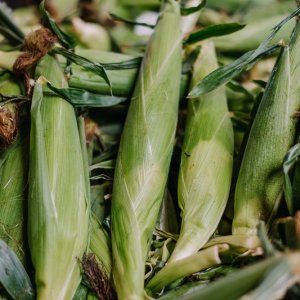
The Mexican government aims to produce 25Mt of non-GMO white corn nationwide, given its importance to the Mexican diet and the country’s agricultural economy. In this context, the minister emphasized Sinaloa’s vital role in national food production, noting that it is Mexico’s largest producer of white corn. “The white corn producers of Sinaloa play an essential role in supporting the National Corn-Tortilla Agreement,” he said.
You May Like





Most popular








